

8 min read · Updated: 2026-10-10
Readers on a technology site want trustworthy context when locals' stories intersect with innovation. This guide explains how to assess local Rochdale content for accuracy, relevance to tech topics, and practical usefulness in reporting or decision making. You’ll learn what to look for, how to compare sources, and where to find reliable local storytelling that informs tech work.
The focus is on realism and usefulness: the methods to verify claims, the kinds of details that matter in a technical narrative, and how to balance timeliness with depth. Expect concrete steps, checklists, and real-world examples you can apply when evaluating Rochdale stories for tech reporting or product development.
This half sets up a practical framework: identify goals, gather sources, measure credibility, and plan your reading so you can cite local context confidently in tech stories and analyses.
- To evaluate Rochdale local stories for tech relevance, verify credibility, compare with broader trends, and check data quality. Look for clear sources, usable details, and practical implications for developers. Use a structured approach to avoid hype and ensure accuracy.
- When selecting sources, balance depth with reach, ensure accessible explanations, and favor transparent corrections. Treat local reports as data points that can inform tech decisions without overstating impact.
- This guide provides concrete steps to assess content, while keeping readers informed about the limitations and verification steps behind each claim.
What to verify about local Rochdale content
Assess credibility of sources
Start with the source itself: who runs the site, what is their track record, and how they present corrections. Look for explicit author information, dates on posts, and cross-checks with other outlets. A credible Rochdale story should show transparent sourcing and verifiable details, especially when it touches on tech topics or public policies. local stories from Rochdale
- Relying on a single source without verification.
- Ignoring corrections or updates.
- Taking headlines at face value without checking data.
Consider the funding and ownership of the outlet, and whether there is any potential bias or conflict. If a claim seems extraordinary, it should have primary data or official documents attached. Readers benefit when editors note uncertainties rather than presenting speculation as fact.
Check the update history: do posts get revised after corrections or new information emerges? A good local story keeps a living record, clarifying earlier statements as needed.
- Note the publication date and author
- Look for citations to official records
- Check multiple independent sources
- Be wary of sensational language
- Seek corrections when missing
Identify tech relevance and impact
Examine how the Rochdale story connects to technology. Does it discuss infrastructure, digital services, or policy that affects tech deployment? A strong fit shows concrete implications for developers, researchers, or product managers.
Ask whether the story provides data points that tech readers can use, such as timelines, service levels, or local usage patterns. Vague anecdotes offer little value to practitioners.
Evaluate whether the story cites technical terms correctly and avoids generic hype. Precise language helps you translate local events into actionable insights for tech audiences.
- Look for infrastructure and service details
- Note any data or timelines
- Check technical terms for accuracy
- Assess practical relevance to tech work
How to compare Rochdale stories with broader tech trends

Benchmark against similar towns
Compare Rochdale coverage with stories from neighboring towns or national tech reporting to gauge consistency and depth. A good comparison reveals whether local narratives reflect common patterns or stand out for unexplained twists. community updates from Rochdale
Identify which aspects of the Rochdale story mirror bigger trends, such as digital inclusion programs or municipal data initiatives. This framing helps you judge relevance to wider tech audiences.
Prefer sources that explain both local specifics and their place in larger tech ecosystems, avoiding insider-only jargon.
- Cross-check with nearby towns' reports
- Note recurring themes across outlets
- Look for data points that align with larger trends
Assess data quality and source materials
Track any numbers, dates, or claims to their origin. Look for linked documents, public records, or official statements you can verify. In tech reporting, having direct sources strengthens credibility and reuse in your own work.
When data is missing or ambiguous, describe what would confirm the claim and where to find it. This transparency helps readers judge reliability without guessing.
Document the steps you take to verify information so your readers understand the process behind the conclusion.
- Trace numbers to original documents
- Prefer primary sources
- Explain verification steps
- Flag uncertainties clearly
What to consider when choosing a local Rochdale source
Evaluate publication scope and reach
Local reach matters for context richness: a smaller outlet may offer deeper community insight, while a larger outlet might provide cross-posted pieces and broader verification. Balance depth with breadth to suit tech storytelling needs. Rochdale news and updates
Assess how the outlet handles corrections and updates, which signals reliability in dynamic tech topics. A robust practice is to publish errata or clarifications without diminishing prior reporting.
Consider whether the outlet invites reader contributions or expert comments to broaden perspectives without sacrificing rigor.
- Depth vs breadth
- Corrections policy
- Reader engagement features
| Source quality | Technical clarity | Impact on tech work |
|---|---|---|
| Low credibility | Unclear data | Limited use for decision making |
| High credibility | Clear data and sources | Practical implications for developers |
| Medium credibility | Reasonably transparent | Useful with caveats |
Check accessibility and technical clarity
A quality local tech story should be accessible to readers who are not from Rochdale but are evaluating its tech relevance. Look for plain-language explanations of jargon, maps, and timelines that make the piece usable for decision making.
Verify that figures, charts, or diagrams are legible and properly sourced. Visual clarity often matters as much as textual accuracy for tech readers.
A well-edited piece avoids unnecessary hedging and presents actionable takeaways for engineers and product teams.
- Plain language explanations
- Clear visuals and data sources
- Actionable takeaways for tech readers
Tech reporting can bend local stories toward hype if the connection to practical outcomes isn’t shown.
Pitfalls and warnings in local tech storytelling

Beware hype and misinterpretation
Tech reporting can bend local stories toward hype if the connection to practical outcomes isn’t shown. Always check whether promises align with realistic timelines and technical feasibility.
Watch for cherry-picked data that supports a narrative while omitting context or counterpoints. A balanced piece cites opposing viewpoints or limitations when necessary.
When in doubt, name the constraints and propose what further information would clarify the picture.
- Avoid over-optimistic claims
- Don’t select data that confirms a bias
- Present limitations clearly
Guard against over-familiarity with local players
Relying on the same sources or insiders can skew perspective and miss broader implications. Seek independent verification and ask for multiple viewpoints, including community members affected by tech initiatives.
Document the criteria used to select sources so readers understand the basis for trust.
Be mindful of potential conflicts of interest and disclose them when relevant.
- Diversify sources
- Explicit verification criteria
- Disclosures when needed
Ethics in local tech reporting
Editorial transparency and accountability
Transparency in sourcing and clear corrections build reader trust; this section explains how to verify the origin of local tech stories and the steps publishers take to rectify mistakes. It uses concrete examples from Rochdale reporting to illustrate best practices reporters should follow when covering community tech scenes. The goal is to help readers assess credibility without relying on vague assurances.
- ☐ Publishers disclose sources used in each story
- ☐ Corrections policy is easy to find and followed
- ☐ Sastered claims are supported by evidence
- ☐ Diverse viewpoints are represented
- Check for named sources
- Look for corrections policy
- Identify funding disclosures
- Search for diverse perspectives
This sub-section presents a second view on ethics, focusing on how local tech writers balance speed with accuracy in Rochdale context. It compares the pressure to publish quickly against the need for verification, and shows practical steps editors use to slow down when data is uncertain. Readers gain a framework to judge whether a local tech piece weighs accuracy as heavily as timeliness.
Local data privacy considerations

Protecting reader data in local stories
Local tech reporting often collects comments and event data; this section explains how to safeguard reader identities and consent when publishing. It provides concrete steps for editors to anonymize feedback and manage opt-ins for newsletters connected to Rochdale content. The emphasis is on practical, repeatable processes.
- Anonymize user submissions
- Limit data retention
- Clarify consent for sharing
- Use aggregated stats
Technical safeguards in reporting
This part outlines how reporters verify tech claims without exposing users or unpublished data from Rochdale projects. It covers verifying device-agnostic results, cross-checking with multiple sources, and documenting any undecided conclusions. The aim is to prevent accidental exposure of sensitive information while keeping reporting rigorous.
Integrating Rochdale storytelling into product research
Using local stories to test user needs
Rochdale narratives often reveal real-world friction points that product teams overlook in broad market data. This section shows how to map those stories to feature priorities, such as rural connectivity hurdles or community safety tech. It emphasizes translating anecdotes into testable hypotheses rather than marketing anecdotes.
- Identify a local pain point
- Draft a user story
- Design a small experiment
- Evaluate results and iterate
- Capture real user journeys
- Translate stories into testable hypotheses
- Prioritize features by impact on locals
- Cross-check with user research
A second angle looks at collaboration: how tech teams can partner with Rochdale storytellers to validate claims and gather feedback. It discusses establishing clear roles, timelines, and data sharing agreements. Readers learn how to balance journalistic instincts with product validation in a cooperative framework.
The future of community-driven tech coverage
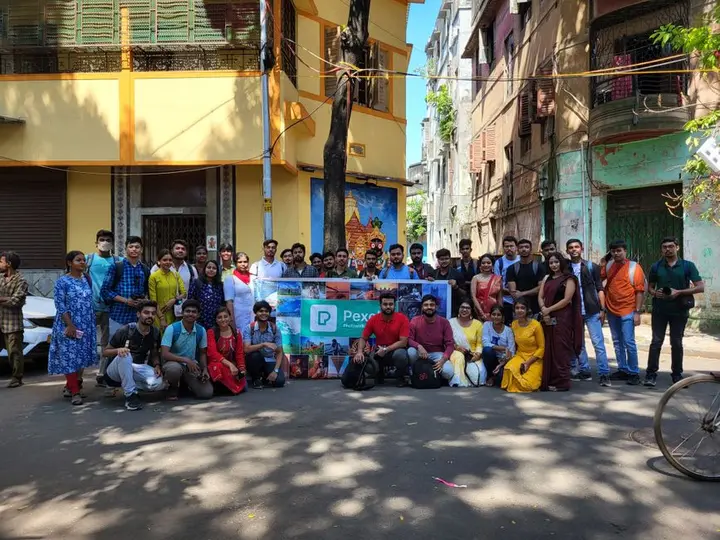
Growing networks of local tech voices
This section explores how Rochdale stories can expand through partnerships with schools, libraries, and maker spaces. It explains practical steps to build a small, stable network that feeds into product research pipelines without becoming a rumor mill. The focus is on reliability over volume.
- Community voices matter
- Structured processes improve accuracy
- Regular reviews strengthen trust
- Formal partnerships
- Ethics guidelines
- Check-ins for accuracy
- Community-driven benchmarks
A second sub-section assesses risks of crowd-powered coverage and how to mitigate them. It covers misinformation risks, guardrails for sensationalism, and how to maintain editorial independence when local interests clash with product narratives. The goal is a resilient model for ongoing tech storytelling with Rochdale as a case study.
Frequently asked questions
What makes local Rochdale content useful for tech readers?
Local Rochdale stories reveal real-life constraints and user contexts that broad data may miss. They help you anticipate edge cases, validate assumptions, and align product decisions with actual community needs. Treat them as qualitative signals that require corroboration.
How should I handle conflicting local reports?
When two Rochdale sources disagree, document the conflict, seek a third perspective, and present both views with neutral framing. Prioritize verifiable details and avoid asserting a single truth where evidence is incomplete.
Can local stories replace large-scale user research?
No. They complement broad studies by highlighting specific pain points and contexts. Use them to inform hypotheses, then test those ideas with structured user research across a wider audience.
What is the role of ethics in Rochdale tech reporting?
Ethics govern source handling, data privacy, and accuracy. They require transparency about methods, corrections when needed, and ongoing reflection on potential bias to protect readers and maintain trust.
Conclusion
Local Rochdale storytelling adds texture to product discovery by surfacing concrete user experiences that broad data might overlook. Used responsibly, these stories guide feature prioritization and risk assessment in tech projects. The next step is to formalize a lightweight, repeatable workflow that integrates local voices into product research.
For readers and teams, the payoff is steady, verifiable learning: a small set of practices that keep local insight relevant, accurate, and actionable as technology evolves.


