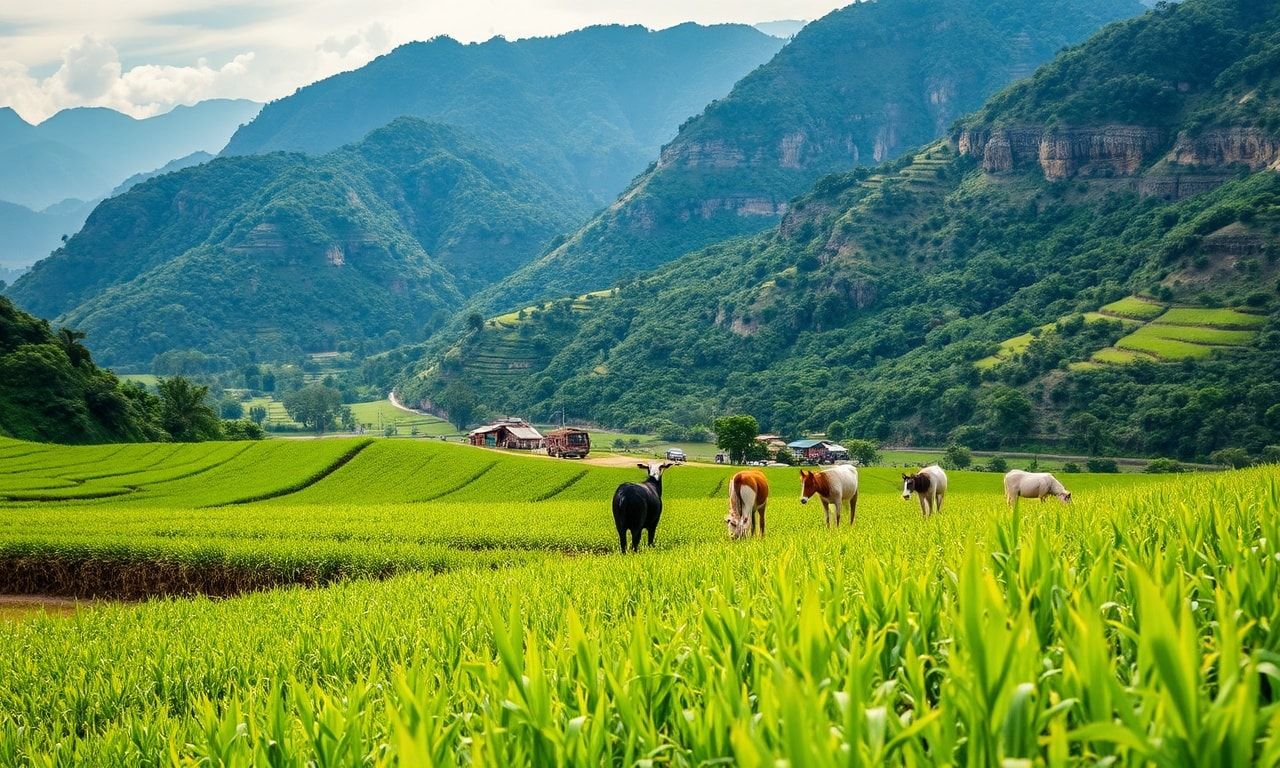
The Rise of Agricultural Tourism
Agricultural tourism, also known as agrotourism or agritourism, is a rapidly growing niche in the travel industry. It combines the allure of rural landscapes with the educational and recreational aspects of farming and food production. This unique form of tourism offers travelers an immersive experience, allowing them to connect with nature, learn about sustainable practices, and even participate in hands-on activities. From vineyard tours to olive oil tastings, agricultural tourism provides a rich tapestry of experiences that cater to a wide range of interests.
Top Agricultural Tourism Destinations
For those eager to explore the world of agricultural tourism, several destinations stand out for their unique offerings and scenic beauty. Here are some of the top spots that should be on every traveler’s radar:
Tuscany, Italy
Tuscany is renowned for its rolling vineyards, olive groves, and picturesque countryside. Visitors can indulge in wine tastings at renowned wineries, participate in olive oil production, and even learn about traditional Italian cuisine. The region’s agritourism farms offer a blend of relaxation and education, making it an ideal destination for those seeking a taste of authentic Italian rural life.
Napa Valley, California
Napa Valley is synonymous with world-class wines and stunning vineyards. Agricultural tourism here is centered around wine production, with numerous wineries offering tours, tastings, and even grape-picking experiences. Visitors can also explore local farms and learn about sustainable farming practices, including chia seed farming for companion planting, which is gaining popularity in the region.
Provence, France
Provence is a haven for food and wine enthusiasts. The region’s lavender fields, olive groves, and vineyards provide a sensory feast. Travelers can participate in lavender harvesting, olive oil production, and wine tastings. The agritourism farms in Provence offer a glimpse into the traditional Provençal way of life, making it a must-visit destination for those interested in agricultural tourism.
Willamette Valley, Oregon
Willamette Valley is known for its pinot noir wines and scenic landscapes. Agricultural tourism here focuses on wine production, but visitors can also explore local farms and learn about sustainable agriculture. The region’s agritourism farms offer a range of activities, from wine tastings to farm-to-table dining experiences, making it a perfect destination for food and wine lovers.
Benefits of Agricultural Tourism
Agricultural tourism offers numerous benefits for both travelers and local communities. For travelers, it provides an opportunity to learn about sustainable farming practices, connect with nature, and enjoy unique culinary experiences. For local communities, it can boost the local economy by creating jobs and attracting visitors. Additionally, agricultural tourism can help preserve traditional farming practices and promote environmental conservation.
Tips for Planning an Agricultural Tourism Trip
Planning an agricultural tourism trip requires some research and preparation. Here are some tips to help you make the most of your experience:
- Research Destinations: Identify the destinations that align with your interests, whether it’s wine production, olive oil, or sustainable farming.
- Check Seasonal Activities: Different regions offer unique activities during specific times of the year. Plan your trip accordingly to ensure you can participate in the activities you’re interested in.
- Book Accommodations: Many agritourism farms offer accommodations, such as farm stays or bed and breakfasts. Booking in advance ensures you have a place to stay and can fully immerse yourself in the experience.
- Pack Appropriately: Agricultural tourism often involves outdoor activities, so pack comfortable clothing and footwear. Don’t forget to bring sunscreen, a hat, and a reusable water bottle.
- Engage with Locals: Interacting with local farmers and community members can enhance your understanding of the region’s agricultural practices and culture.
Conclusion
Agricultural tourism offers a unique and enriching travel experience that combines education, recreation, and cultural immersion. Whether you’re exploring the vineyards of Tuscany, the lavender fields of Provence, or the sustainable farms of Napa Valley, agricultural tourism provides a deeper connection to the land and its people. By planning ahead and engaging with local communities, you can make the most of your agricultural tourism adventure and create lasting memories.
Readers interested in this subject may also want to explore Çin'de Doğal Güzellikler ve Kültürün Keşfi for additional perspectives.