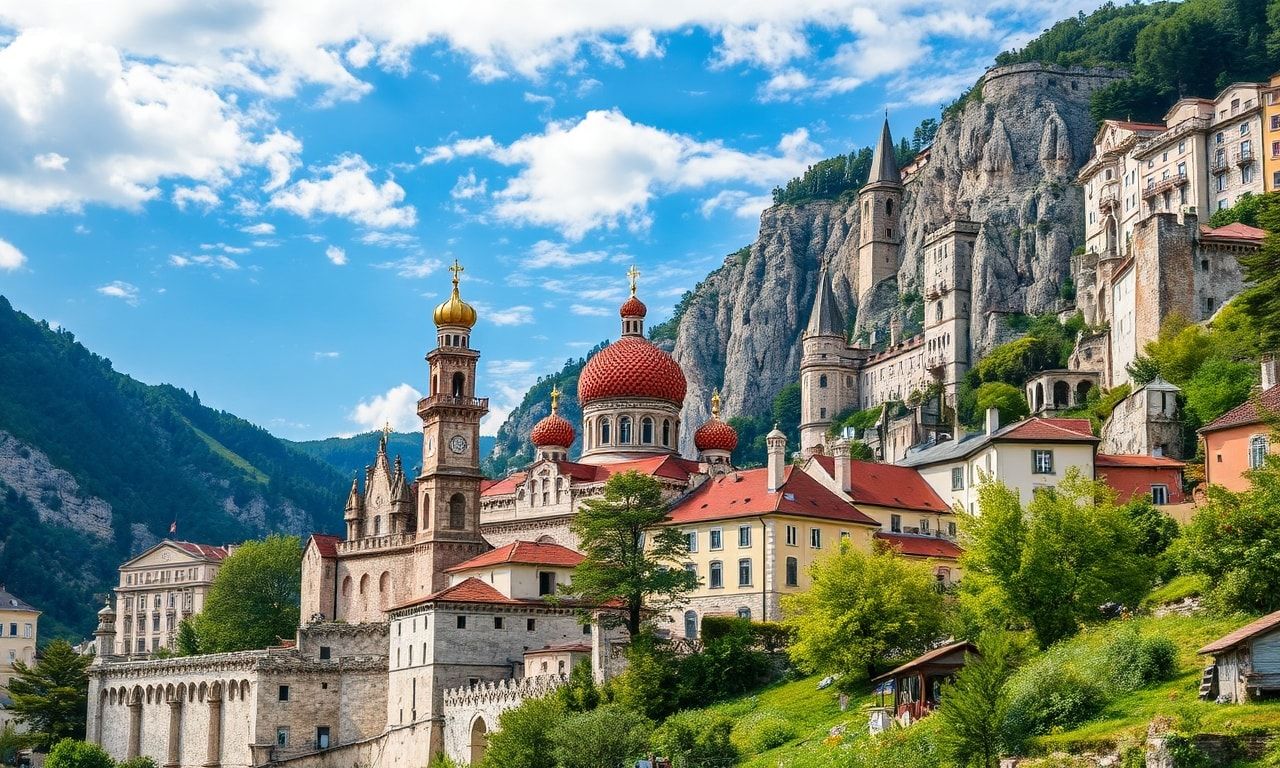
The Allure of Eastern Europe
Eastern Europe, a region often overshadowed by its more popular Western counterparts, is a treasure trove of cultural heritage, natural beauty, and culinary delights. From the historic streets of Prague to the pristine beaches of Croatia, this part of the world offers a unique blend of old-world charm and modern sophistication. For the intrepid traveler seeking to venture off the beaten path, Eastern Europe promises an unforgettable journey filled with discovery and wonder.
Unveiling the Cultural Riches
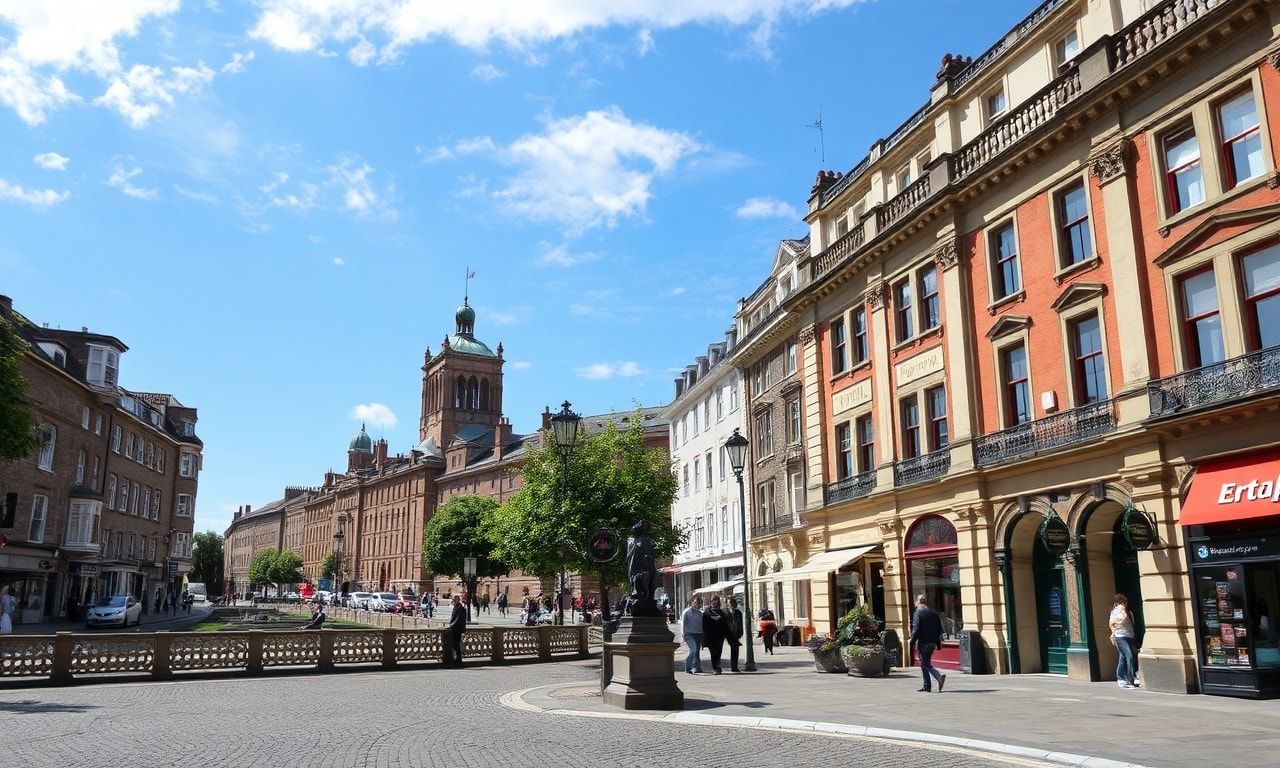
The cultural tapestry of Eastern Europe is as diverse as it is rich. Each country in the region boasts its own distinct history, traditions, and architectural marvels. In Poland, the vibrant city of Krakow stands as a testament to the country’s resilient spirit, with its well-preserved medieval core and the poignant reminders of the Holocaust at Auschwitz-Birkenau. Meanwhile, Hungary’s capital, Budapest, is renowned for its stunning Parliament Building, thermal baths, and the lively ruin bars that dot the cityscape.
For those interested in staying informed about global events, including educational updates, a quick visit to public school news today can provide insightful perspectives on various topics, including the impact of travel and tourism on local communities.
Architectural Marvels
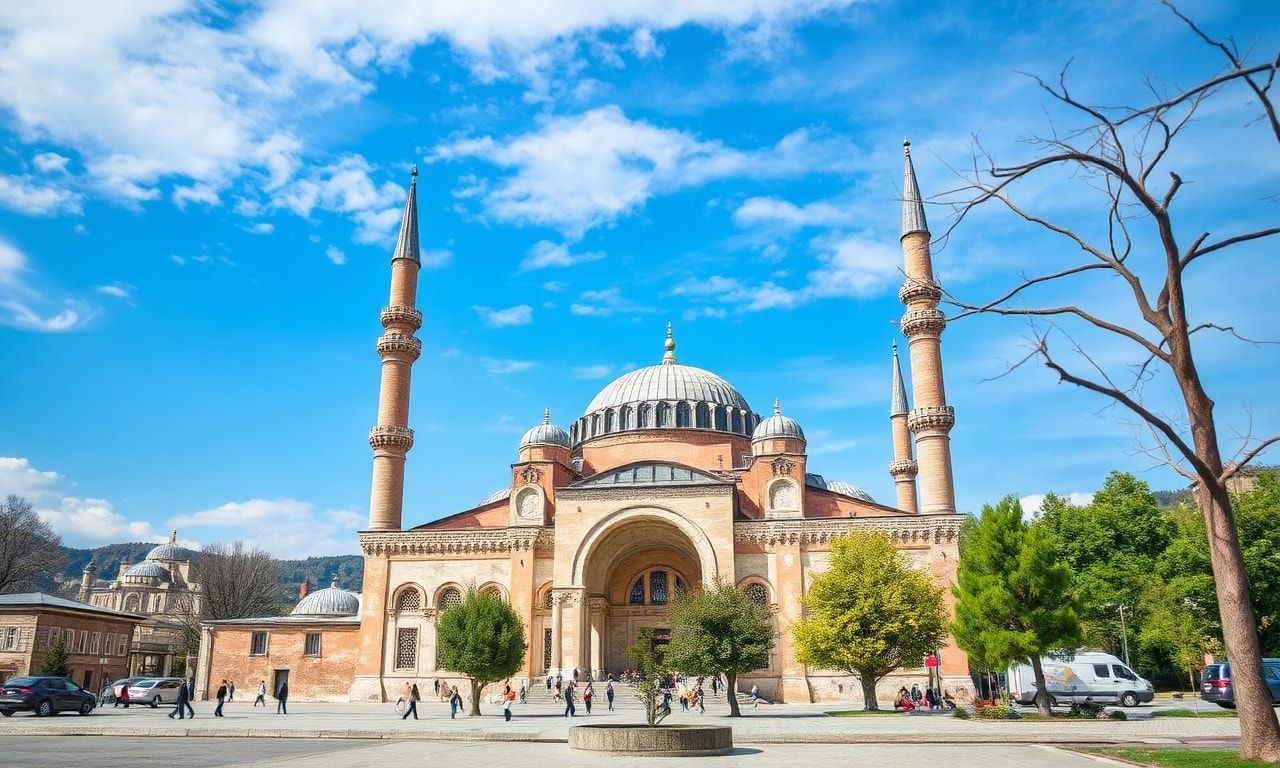
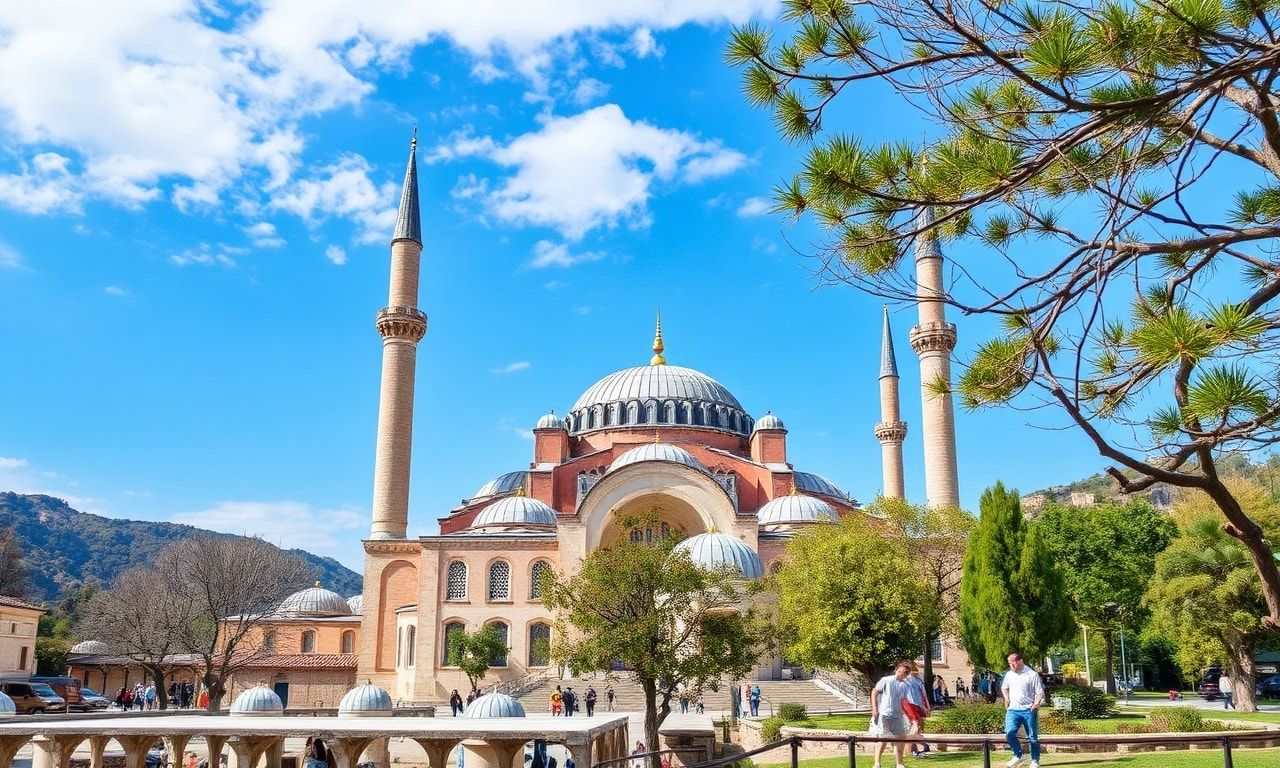
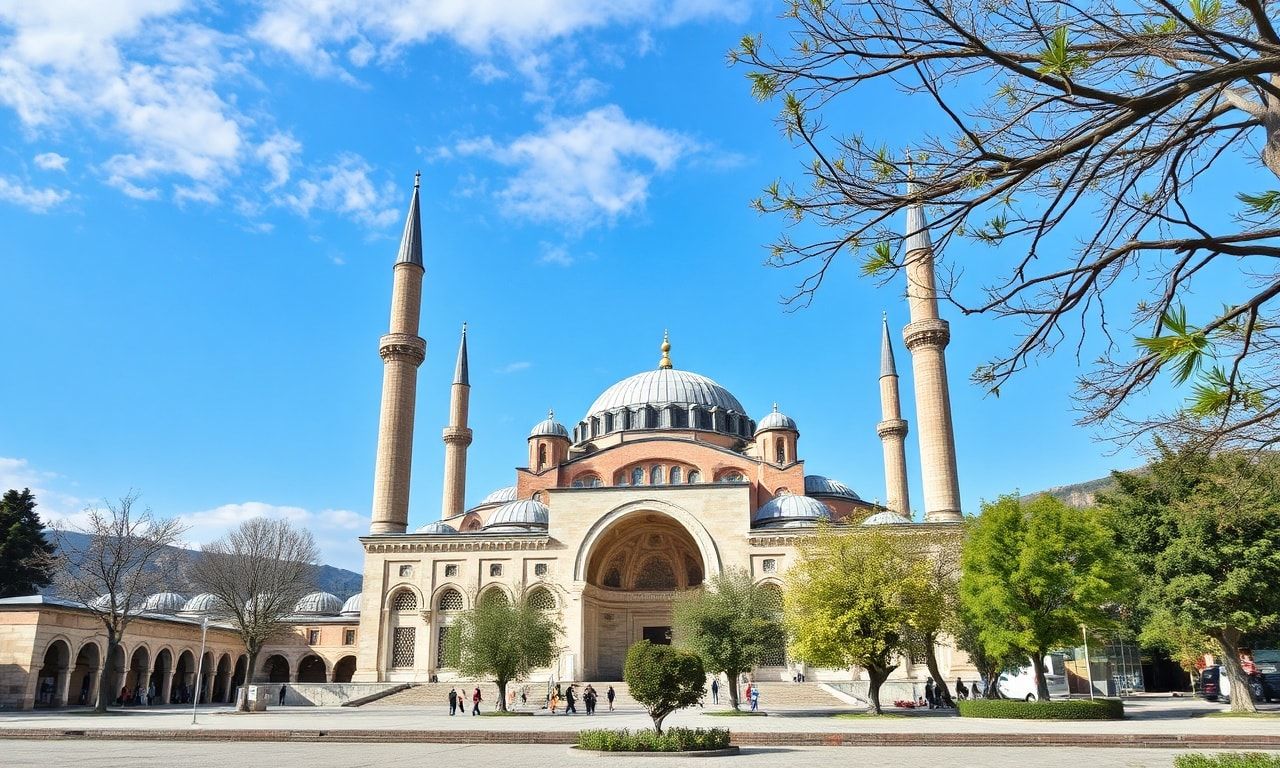
Eastern Europe is home to some of the most breathtaking architectural landmarks in the world. The iconic Charles Bridge in Prague, with its Baroque statues and panoramic views of the Vltava River, is a must-visit for any traveler. Similarly, the colorful houses of Tallinn’s Old Town in Estonia offer a glimpse into the medieval past, while the futuristic architecture of Bucharest’s Palace of the Parliament in Romania showcases the region’s modern aspirations.
Natural Wonders and Outdoor Adventures
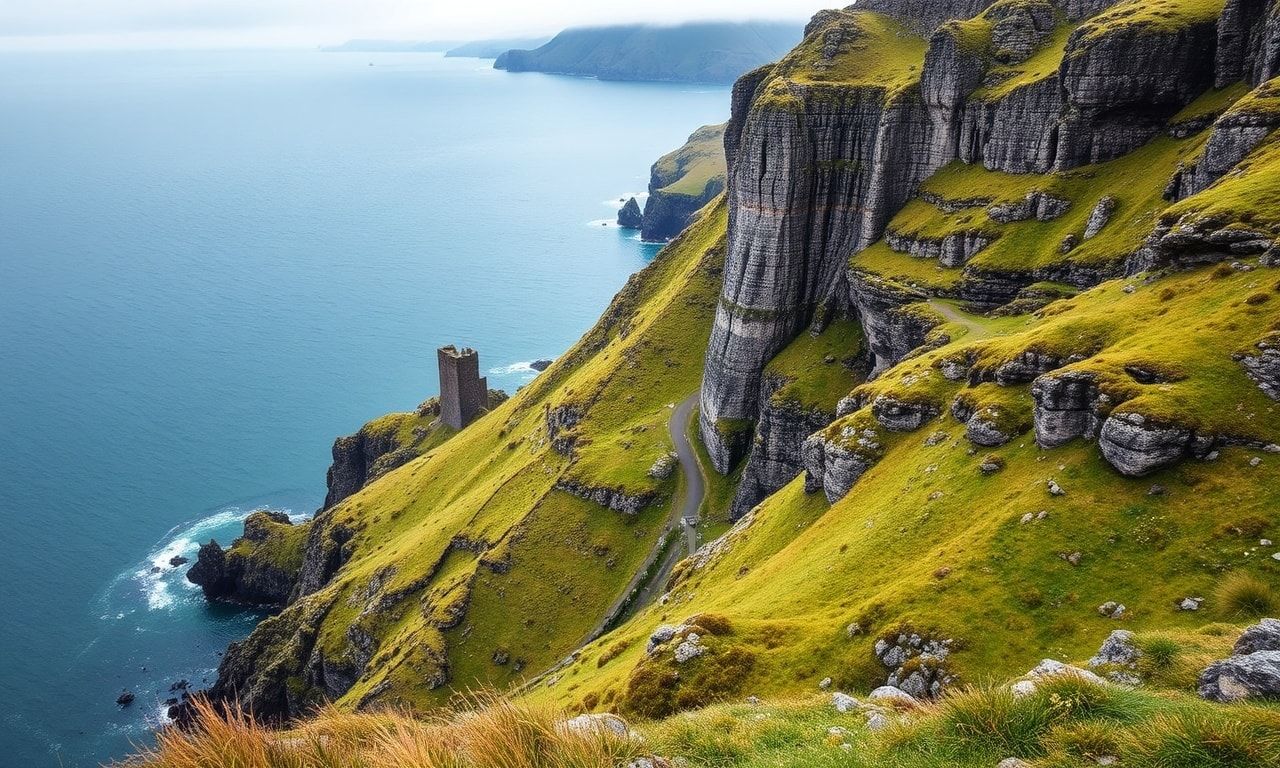
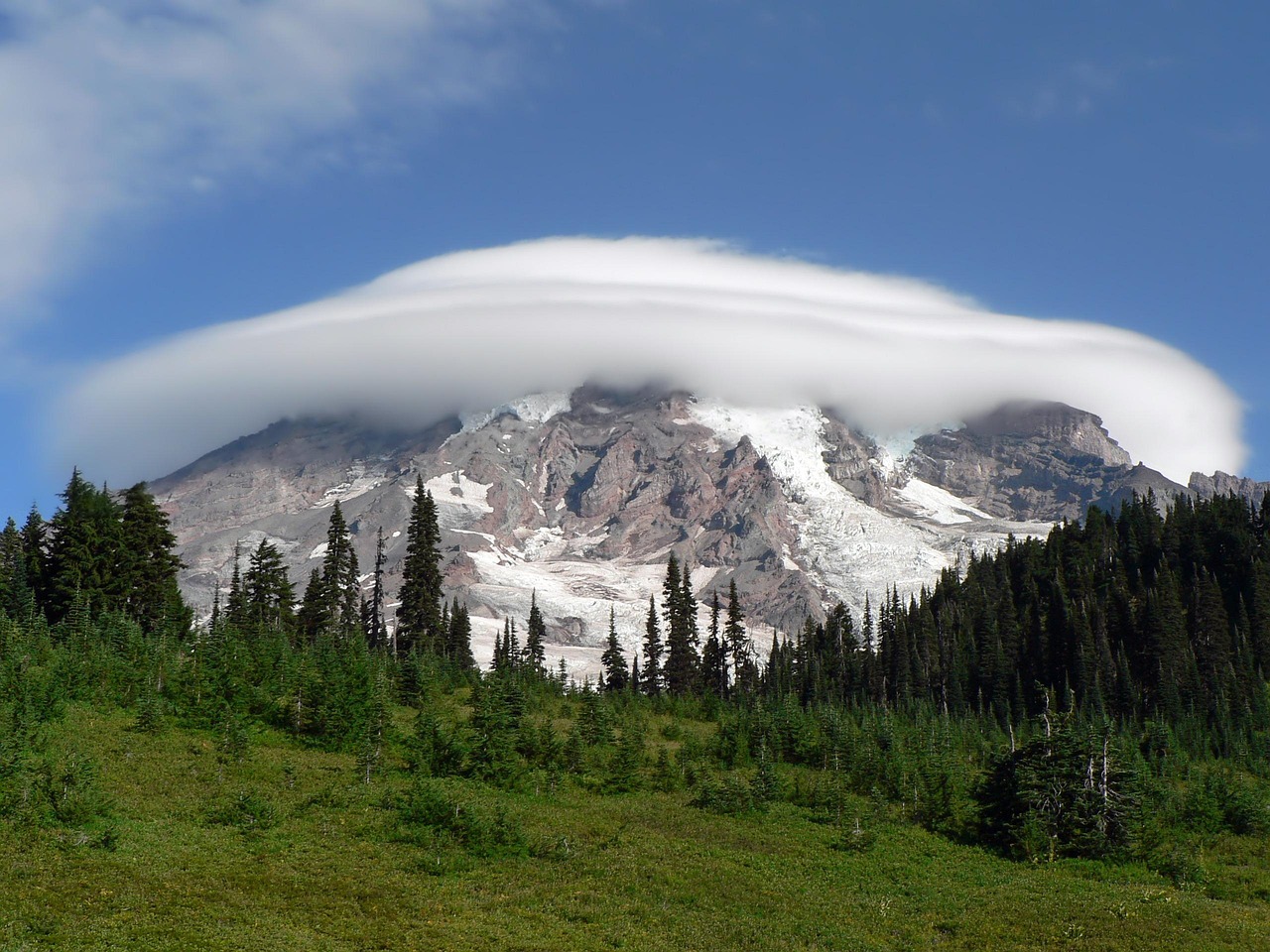
The natural landscapes of Eastern Europe are as varied as they are stunning. The Carpathian Mountains, stretching across several countries, provide ample opportunities for hiking, skiing, and wildlife spotting. In Romania, the Danube Delta is a haven for birdwatchers and nature enthusiasts, offering a unique ecosystem teeming with biodiversity.
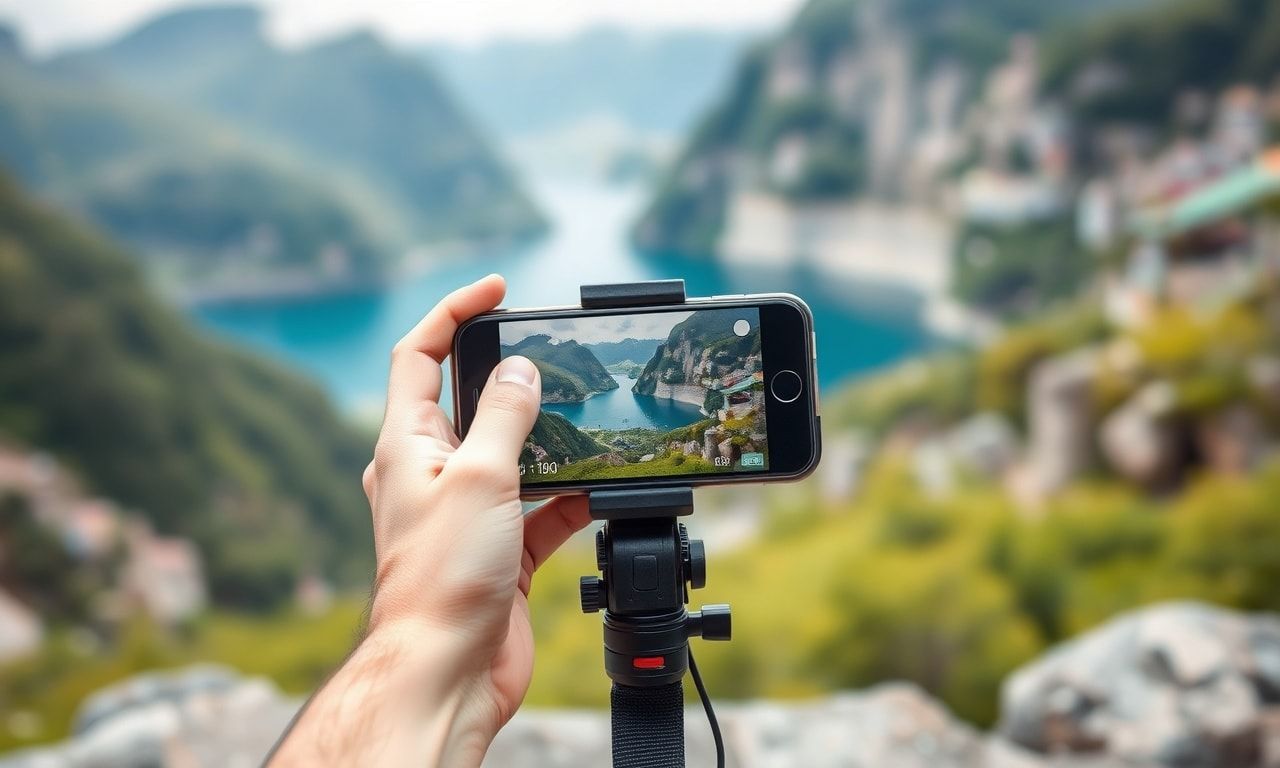
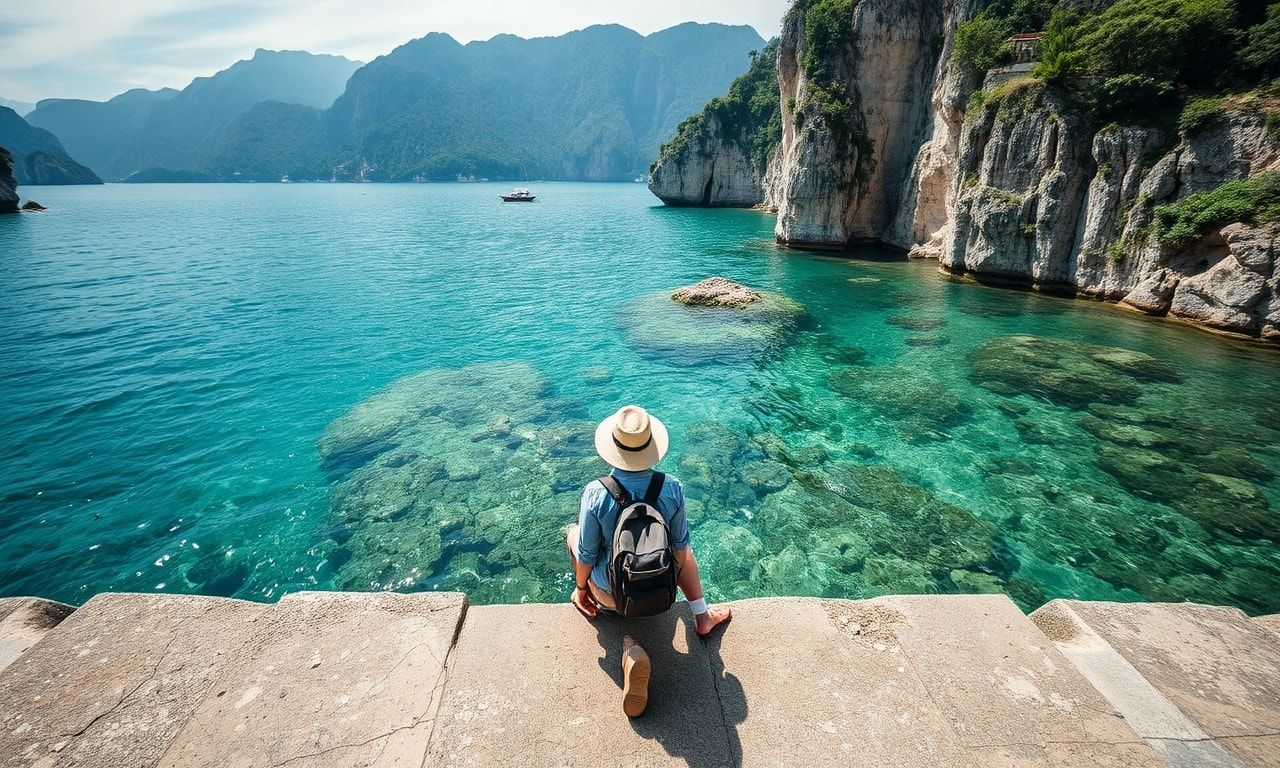
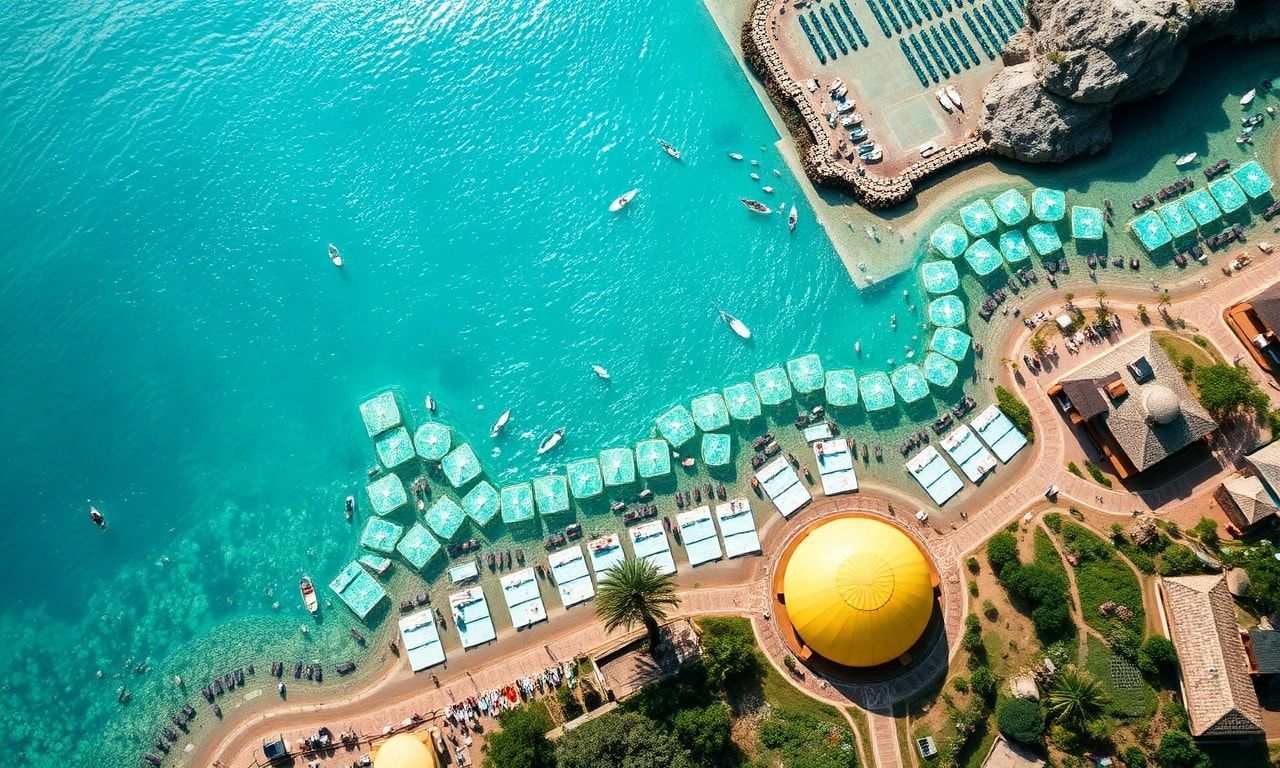
For those seeking a more relaxed pace, the Adriatic Coast in Croatia is a paradise of crystal-clear waters and picturesque islands. The Plitvice Lakes National Park, with its cascading lakes and waterfalls, is a UNESCO World Heritage site that showcases the natural beauty of the region. Whether it’s exploring the underground caves of Slovenia or trekking through the forests of Slovakia, Eastern Europe offers a plethora of outdoor adventures for every type of traveler.
Culinary Delights
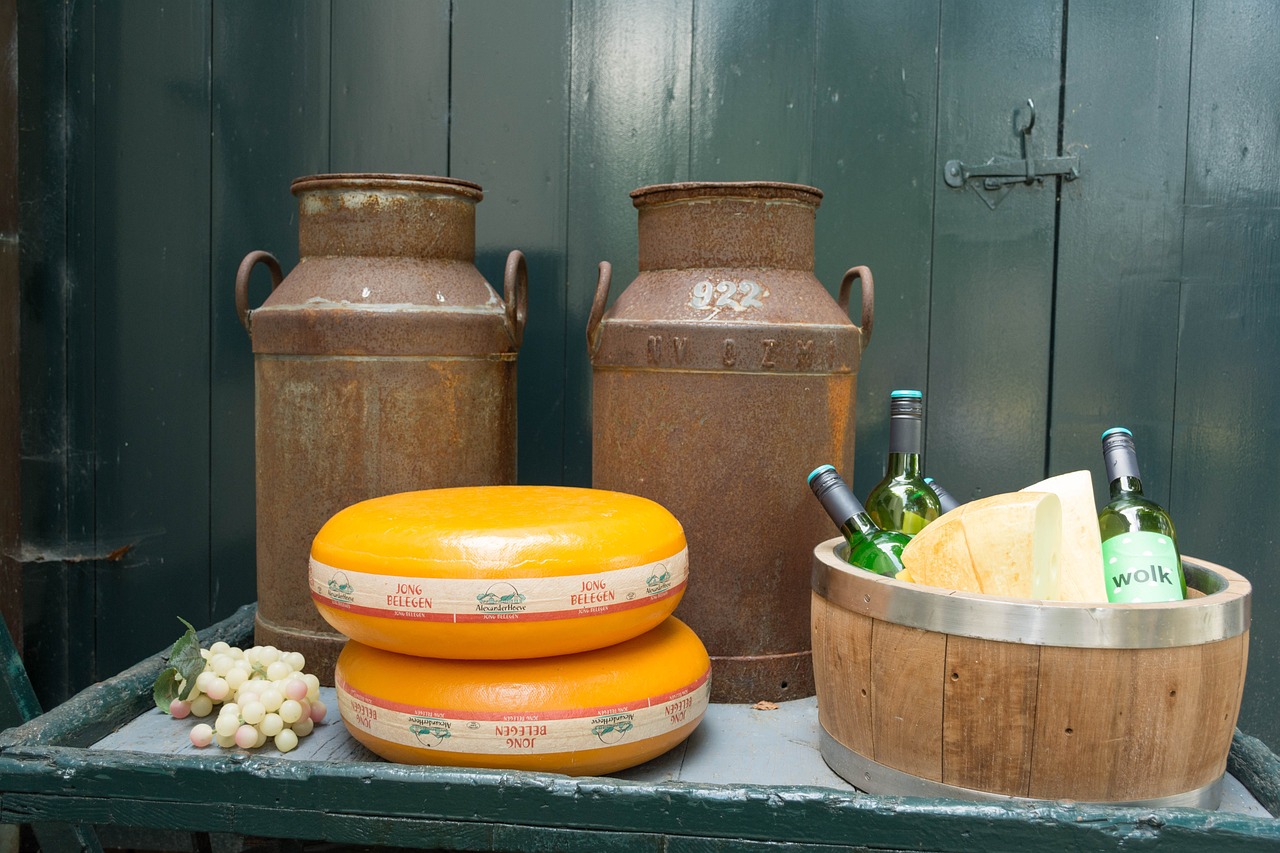
The culinary scene in Eastern Europe is a delightful fusion of flavors and traditions. From the hearty stews and dumplings of Poland to the rich pastries and savory meats of Hungary, each country has its own unique culinary identity. In Romania, the traditional dish of sarmale, or cabbage rolls, is a must-try, while in Croatia, the fresh seafood and local wines are a testament to the region’s coastal heritage.
For those with a sweet tooth, the pastries and desserts of Eastern Europe are not to be missed. The Polish paczki, Hungarian kurtoskalacs, and Croatian fritule are just a few examples of the delectable treats that await travelers in this region. Whether enjoying a meal at a local market or dining at a high-end restaurant, the culinary delights of Eastern Europe are sure to leave a lasting impression.
Travel Tips for Exploring Eastern Europe
To make the most of your journey through Eastern Europe, it’s essential to plan ahead and be prepared for the unique challenges and opportunities that come with traveling in this region. Here are some tips to help you navigate your adventure:
Best Time to Visit
The best time to visit Eastern Europe is during the spring and fall months, when the weather is mild, and the tourist crowds are smaller. Summer can be a popular time for beachgoers and outdoor enthusiasts, but it can also be crowded and expensive. Winter offers a unique charm, especially in cities like Prague and Budapest, where the festive markets and holiday decorations create a magical atmosphere.
Transportation
Eastern Europe is well-connected by an extensive network of trains, buses, and budget airlines, making it easy to travel between countries. For those who prefer to explore at their own pace, renting a car can be a convenient option, especially for visiting rural areas and national parks. However, it’s important to be aware of local driving laws and road conditions, as they can vary significantly from country to country.
Language and Communication
While English is widely spoken in many parts of Eastern Europe, it’s always a good idea to learn a few basic phrases in the local language. This not only shows respect for the local culture but can also enhance your travel experience by allowing you to connect with locals on a deeper level. Additionally, having a reliable translation app or phrasebook can be helpful in navigating language barriers.
Currency and Payments
The currency and payment methods in Eastern Europe can vary from country to country. While some countries use the Euro, others have their own local currencies. It’s a good idea to research the specific currency and payment methods for each country you plan to visit. Credit cards are widely accepted in urban areas, but it’s always a good idea to carry some cash for small purchases and rural areas.
Conclusion
Eastern Europe is a region that offers a wealth of experiences for the discerning traveler. From its rich cultural heritage and architectural marvels to its natural wonders and culinary delights, this part of the world is a true gem waiting to be discovered. By planning ahead and being open to new experiences, travelers can uncover the hidden treasures of Eastern Europe and create memories that will last a lifetime.