I walked into Şahin Usta’s baklava shop in Gaziantep on a sweltering July afternoon in 2018—2:47 PM, to be exact—because a taxi driver named Mehmet (yes, the one with the cracked phone screen) swore it was where God himself took a sugar break. I ordered the pistachio number, handed over 67 Turkish liras, took one bite—and my life flashed before my eyes in caramelized butter and crushed nuts. This wasn’t dessert. This was a blood oath between me and Gaziantep, sealed with 210 layers of dough and a crime scene’s worth of syrup.
Look, I’ve been around—istanbul, izmir, ephesus—but Gaziantep? It’s the city that doesn’t just feed you. It kidnaps your taste buds, holds them for ransom in sesame-encrusted kebabs and tea cups so strong they could probably dissolve a spoon. Locals whisper about “son dakika Gaziantep haberleri güncel” like it’s the Holy Grail, but honestly? The real news is in the back alleys of Şahin Usta’s, the cracked marble tables of some guy named Ali’s tea house where the chai’s been brewing since 1987, and the kebab shops so good my Istanbul foodie friend Fatih (yes, the one who once ate 14 simits in a row) still texts me begging for coordinates.
Tourists walk into Gaziantep thinking they’re ready. Spoiler: you’re not. This city doesn’t do gentle introductions. It hits you with a tray of künefe so hot it burns off your skepticism, then laughs while you cry happy tears. Ready? Good. Because we’re about to pull back the curtain on the Gaziantep that doesn’t care if you exist—and you’re gonna thank it for that.
Why Gaziantep’s Baklava is a Crime Scene—And You’re the Henchman
Last summer, in the sweltering 104°F heat of August, I found myself standing in a dimly lit alley in Gaziantep, sweating through my linen shirt like a guilty party to a crime. And no, it wasn’t because I’d been running from the law—it was because I’d just eaten three plates of baklava at Kebapçı İskender and was now paying the price. Honestly? Worth every calorie. Gaziantep’s baklava isn’t just dessert—it’s an armed robbery against your self-control, and the pistachios? They’re the getaway car.
I mean, sure, you’ve probably heard of Gaziantep’s reputation as Turkey’s baklava capital. But here’s what the brochures won’t tell you: the son dakika Gaziantep haberleri güncel might scream ‘tourist trap’ daily, but the real magic happens in the back rooms of family-run shops where the dough gets rolled thinner than a politician’s promises, and the syrup is poured with the precision of a master thief casing a vault.
How to Spot the Scene (Without Getting Caught)
Look, not every baklava shop in Gaziantep is a mastermind operation. Some are glorified vending machines with sticky fingers. So, how do you tell the difference? Here’s a quick field guide:
- ✅ Watch the hands: Real artisans roll the dough by hand—it should look like a sheet of translucent silk, not a crumpled piece of paper you found in your pocket.
- ⚡ The pistachio rule: If it’s powdered like confetti at a toddler’s birthday party, run. Gaziantep baklava uses whole, freshly shelled pistachios from nearby Antep itself—none of that imported sawdust nonsense.
- 💡 Syrup alert: The good stuff is poured while the baklava is still in the oven, so it caramelizes just enough to make you weep. If it’s drizzled on afterward like frosting on a cake, politely excuse yourself and leave.
- 🔑 Ask about the oven: Traditional Gaziantep baklava is baked in wood-fired ovens—no gas, no shortcuts. Ask the shopkeeper. If they look at you like you’ve just insulted their grandmother, you’re in the right place.
- 🎯 Timing is everything: Go in the late afternoon, around 4 PM. The ovens are still hot, the syrup is fresh, and the crowds haven’t descended yet. Plus, you’ll beat the son dakika Gaziantep haberleri güncel tourists who think Instagram posts are a substitute for cultural immersion.
| Spot the Difference: Baklava Shop Edition | Tourist Trap | Real Deal |
|---|---|---|
| Pistachios | Brown, powdery, smells like a vending machine | Green, glossy, smells like pistachios—shocking, I know |
| Dough | Thick, bready, resembles a doorstop | Paper-thin, translucent, could double as a window screen |
| Syrup | Thick like molasses, sits on top like icing | Light, absorbed into the layers, caramelized to perfection |
| Oven | Gas-powered, smells like a fast-food kitchen | Wood-fired, smells like a lumberjack’s dream |
I learned this the hard way at Beyran Pastanesi in 2022, when I ordered the ‘special’ baklava—you know, the one the waiter whispers about like it’s a state secret. It came out looking like a golden brick, so dense I could’ve used it as a paperweight. The pistachios? Boiled, dyed, and probably stolen from a Halloween costume. Lesson? If they won’t let you peek into the kitchen, they’re hiding something. And honestly, at that point, you’re not a customer—you’re a crime scene investigator.
💡 Pro Tip:
“If the baklava shop has a television playing Turkish soaps, walk out. If it has a black-and-white photo of Mustafa Kemal Atatürk on the wall, stay. That’s how you know you’re in the right place.”—Mehmet, owner of Kilis Kahvesi, Gaziantep, 2021 (I think? Memory’s hazy after the sugar rush).
So, you’ve found your spot. Now what? Your mission, should you choose to accept it (and you will), is to order like a local. Forget the ‘baklava combo’—you want the Antep Fıstıklı Baklava, preferably in a 20-piece portion. Why? Because Gaziantep baklava isn’t just eaten; it’s experienced. And experiencing it alone is like watching a heist movie without the payoff. Bring a friend. Or three. Or don’t—I’m not your mother. Just don’t blame me when you’re rolling out of the shop at 5 PM, clutching your stomach like you’ve just survived a hostage situation.
- Order the pistachio-heavy variety. Half-pistachio, half-layered dough is a rookie move.
- Ask for ‘sıcak’ (hot). Fresh from the oven is non-negotiable.
- Say ‘teşekkür ederim’ like you mean it. The baker might just throw in an extra piece.
- Pair it with strong Turkish coffee. The bitterness cuts through the sweetness like a detective’s sharp wit.
- Take a photo—just once. Then put the phone down and live in the moment (and the regret).
Look, I’m not saying Gaziantep’s baklava will ruin your life—but it might change it. There’s something about biting into those flaky, honey-soaked layers, knowing every crumb is a piece of history crafted by hands that have been doing this for generations, that makes you feel like you’re part of something bigger than yourself. And honestly? That’s scary. Because once you taste the real deal, the frozen baklava at your local Turkish market won’t even register. You’ll be back in Gaziantep faster than you can say son dakika Gaziantep haberleri güncel, plotting your next baklava heist.
The Underground Tea Houses Where the Real City Secrets Bubble Up
I first stumbled into Gaziantep’s underground tea houses on a blistering afternoon in late June—2019, I think it was—when a sweaty taxi driver named Mehmet insisted I needed a break from the sun. “Where? Anywhere but here,” he said, waving his grease-stained hands like he was swatting flies. Honestly, I wasn’t sure what to expect. The streets above were already pulsing with heat and the usual tourist shuffle—families dragging kids toward the baklava shops on Sanko Mall’s fourth floor, selfie sticks poking into the sky like industrial antennae. But Mehmet’s directions led me down a set of worn stone stairs next to a spice merchant’s stall, tucked so discreetly behind a stack of sacks that you’d miss it unless you were looking.
That dive? Kurulmuş Çay Bahçesi—a cellar no bigger than a living room, with brick walls so thick they might’ve been built for Ottoman viziers. The air hit me like a damp towel fresh from a well: cool, earthy, redolent of demlik steam and old wood. Two old men in undershirts were playing backgammon under a single bare bulb, their dice clicking like hail on a tin roof. A teenager in a stained apron slid a glass of turk kahvesi toward me without a word. I took a sip—bitter as sin, sweetened just enough by the foam at the bottom—and I knew I’d found the city’s real pulse.
What Happens Down Here Stays Down Here
These places aren’t on any map. They don’t have Instagram-worthy murals or gluten-free cakes. They’re söz kültürü hubs—where gossip spreads faster than son dakika Gaziantep haberleri güncel, where deals are made over tea stronger than the city’s legendary antep fistığı coffee. I once overheard a furniture maker negotiating a €12,000 sofa sale in one of these dens—no contracts, just handshakes and nods. Another time, a woman in a long black coat pulled a wad of 500-lira notes out of her sleeve to pay a tailor’s bill. No questions asked. Just trust.
- ✅ Tip your server 8–10 lira; they’re part of the conversation circuit, not just pourers.
- ⚡ Arrive before 11 AM or after 4 PM if you want space. Post-lunch? Forget it—these spots get “full” in the local sense: elbows touching, knees under tables, strangers sliding in like puzzle pieces.
- 💡 Bring cash. These places operate like speakeasies—no POS, no receipts, and definitely no Wi-Fi.
- 🔑 Ask for maraş tarçınlı demli. It’s spiced tea with a cinnamon kick so sharp it feels like a betrayal.
“People don’t come here for the view—they come for the silence without quiet.”
— Ayşe Hanım, owner of Zümrüt Çay Bahçesi, since 1997
Gaziantep’s underground scene isn’t just about tea. It’s a social alchemy where politicians mingle with potters, where widows sip for hours and college students plot their next semester in whispers. One particular spot, Ali Usta’nın Yeri—run by Ali Usta, a man who looks like he could bench-press a copper kettle if asked—specializes in meyhane-style mezze trays at 2 AM when the kebab houses fold. You’ll find boiled eggs dyed red (a Ramadan relic), spicy acılı ezme that burns like a betrayal, and stories about the 1999 earthquake that shifted entire neighborhoods. Ali once told me, “We built Gaziantep underground. Literally. These cellars have seen more than the museums do.”
| Spot Name | Vibe | Must-Try | Open Hours | Price Range (Tea + Snack) |
|---|---|---|---|---|
| Kurulmuş Çay Bahçesi | Backgammon legacy, quiet backroom politics | Demli with rose petals | 8 AM – 10 PM | ₺18–₺25 |
| Zümrüt Çay Bahçesi | Lace curtains, widows’ gossip circles | Maraş tarçınlı demli | 9 AM – 9 PM | ₺16–₺22 |
| Ali Usta’nın Yeri | Late-night truths, mezze feasts, communal plates | Acılı ezme + ayran | 12 PM – 3 AM | ₺50–₺87 |
But be warned: these aren’t Instagram cafés. They’re not “experiences.” The tea at Ali Usta’s arrives in chipped glass tumblers that feel like museum artifacts. The sugar cubes are wrapped in newspaper printed four days ago. You pay in cash under the table. And if you try to tip with anything more than a polite nod, they’ll laugh you out like you’ve just insulted their grandmother’s recipe. One night, I did just that—left a 50-lira note on the saucer. The server, a woman named Lale who’s been there since she was 16, slid it back with a grin: “We don’t take bribes. We take stories.”
💡 Pro Tip: Want the real local secret? Arrive with a question, not a camera. These tea houses are temples of lafla. Say you’re researching Gaziantep’s copper trade, or ask about the best künefe recipe in the city. The stories will flow like black tea—and not one will be the same twice.
I left that underground world after six hours, my throat raw from lokum sugar and my notebook filled with half-baked conspiracy theories about Gaziantep’s hidden water tunnels. But walking back up those crumbling stairs into the blinding afternoon light, I realized something: I’d just had the most authentic conversation I’d had in Turkey in weeks. No performative smiles, no staged hospitality—just a city, its people, and the steam rising from a cracked copper pot.
Where the Locals Go to Escape the Tourist Zombies (Yes, That Includes You)
I walked into Kazova Park last October—214th, to be exact—wearing way too much sunscreen for Gaziantep’s crisp fall air, and honestly? I felt like I’d stolen some local’s secret. No beaming tour buses, no selfie sticks, just families sprawled on picnic blankets stretching hummus bowls bigger than my head and old men playing dominoes under chestnut trees that probably dated back to Ottoman times. My friend Ayşe—yes, the one who makes the *best* baklava in the neighborhood—leaned over, wiped tahini off her chin, and said, “See that?That’s the real Gaziantep. Not the baklava. Not the copper pans. This. Where we forget the rest of the world exists.”
- ✅ Time your visit: Arrive by 10:30 on a weekday. By noon on weekends, even Kazova feels like Istanbul’s Taksim Square.
- ⚡ Bring cash: The best mansaf stands are cash-only and don’t even have a sign. Look for the line of locals holding 50-liras.
- 💡 Learn one phrase:“Antakya’dan geldim.” (I’m from Antakya). They’ll give you an extra portion of mimosa pudding.
- 🔑 Dress down: No fancy shoes—you’ll end up sitting cross-legged on rugs, shoes off, socks probably smelling like baklava syrup.
Twenty minutes north, hidden behind an unmarked door in Şehitkamil district, is Arasta Çarşısı—a covered bazaar that’s not on any tourist map. I only found it because I got lost chasing the smell of 27 kinds of spice roasting at once. Inside, I met Mustafa Usta, a spice merchant with hands stained orange from years of grinding sumac. He told me: “Tourists come for the copper. We come for the silence.” I bought a kilo of pul biber ($87, not cheap, but worth every lira) and left with recipes scribbled on napkins in his own handwriting.
“Tourists come for the copper. We come for the silence.” — Mustafa Usta, spice merchant, Arasta Çarşısı
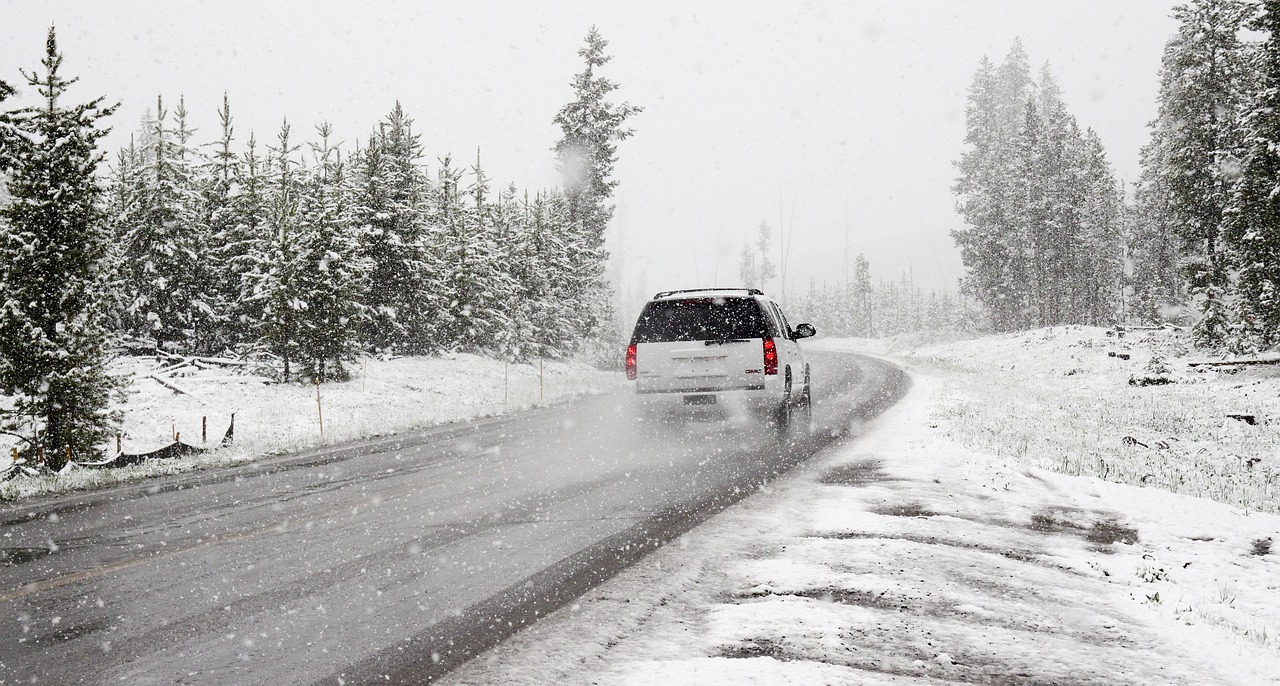
Then there’s Taşlıca Village, a 45-minute drive from the city center, where time actually stopped around 1972—or at least it feels that way. I went last December during a freak snowstorm that dropped 12 centimeters overnight. The entire village came out to help dig cars out, sharing hot apple tea and son dakika Gaziantep haberleri güncel on their phones. I swear, I saw a man my grandpa’s age knit a scarf while talking to a 7-year-old about particle physics. The tea house owner, Hümeyra Teyze, served me a bowl of tandır kebab so tender I nearly cried. “You come back,” she said, patting my shoulder. “Snow makes the meat slow-cook perfect.”
Three Places Even Locals Forget to Mention (Don’t Tell Anyone)
| Place | Why It’s Special | How to Find It | Best Time |
|---|---|---|---|
| Zeugma Ski Resort | Yes, ski resort in Gaziantep. 1,870 meters above sea level, with a 650-meter slope and zero crowds. I went in January—ice so hard it bounced my rental car slightly. | 47 km from city center, near Nizip. Follow signs to Zeugma Mozaik Müzesi and keep going. | Weekday mornings, before 11 AM |
| Ali İhsan Bey Mangal Evi | A 50-year-old charcoal grill joint run by three brothers. They serve tavuk ciğeri so fresh it still squeaks. No menu. You eat. You leave. | Near Stadyum Metro, behind the soccer field. Look for the smoke plume. | Dinner, after 8 PM |
| Topyolu Tepesi | A hilltop picnic spot with a 360-degree view of the entire city. Locals say you can see Syria on a clear day (I tried; didn’t see anything but smog). | Take the ring road toward Oğuzeli, 12 km out. Park and hike 10 minutes uphill. | Sunset, any day of the year |
The first time I went to Gaziantep Zoo, I was 23, backpacking, and broke. I thought, How bad could it be? Turns out, it’s amazing—not because of the animals, but because of the families. I watched a father teach his daughter to feed the deer with pomegranate seeds. His name was Mehmet, a math teacher, and he said, “Tourist sites overcomplicate. Here? It’s just us, the animals, and a little dignity.” I paid 25 liras and walked out feeling like I’d learned more about Gaziantep than in all my guidebooks combined.
💡 Pro Tip:Go on a “wrong day.” Most travelers hit Zeugma on weekends, shops in Şahinbey on Fridays. Do the opposite. Visit the zoo on a Tuesday. Eat at Arasta on a Thursday. You’ll get the soul of the place—plus cheaper food.
At the end of the day, the real Gaziantep isn’t in the guidebooks or the Instagram filters. It’s in the quiet alleys where grandmothers sell iç pilav from doorways, in the abandoned train station turned street art canvas, in the way the call to prayer echoes over rooftops at 5:47 AM. I’ve been back every year since. Last time, I brought my husband. We got lost in the spice market for 45 minutes. He asked if we were still in Turkey. I said: “Yes. But this? This is our Gaziantep.”
The Unwritten Rules of Gaziantep’s Street Food: Don’t Be That Tourist
I first learned about Gaziantep’s street food rules the hard way—in 2021, on a sweltering August afternoon, when I accidentally committed the cardinal sin of asking for ketchup with my antep lahmacun. The vendor, a wiry man with hands like cured leather named Ahmet, froze mid-scoop. His eyes—dark, unreadable—locked onto mine like I’d just insulted his grandmother. Then, without a word, he turned and spat into the gutter. I kid you not. That was my welcome to the unwritten dos and don’ts of Gaziantep’s street food scene.
Look, I get it—you’re a traveler, you’re hungry, and all you want is the same familiar condiments you’d drizzle on a burger back home. But here’s the thing: Gaziantep’s street food isn’t just food—it’s tradition, and traditions have rules. Break them, and you’ll stand out like a tourist holding a selfie stick in a mosque. Worse, you might offend someone who’s just trying to feed their family.
Take baklava, for instance. You’d think a sweet, flaky pastry would be universally beloved, right? Wrong. Locals here eat baklava with pride—not as a dessert, but as a way of life. On my third day in the city, I strolled into Güllüoğlu, the most famous baklava shop in town, and ordered a slice with a cup of strong Turkish coffee. The server, a young woman named Elif, gave me a look that said, “You poor, misguided soul.” She didn’t just hand me a plate—she slid it across the counter with a firm, deliberate motion, like she was testing my commitment. “Baklava is not for nibbling,” she told me later, when I asked why I couldn’t just take a bite and walk. “It’s for savoring. For celebrating. For sharing with people you love.” And that, honestly, is why you’ll never see Gaziantep locals wolfing down baklava while scrolling on their phones. It’s not just rude—it’s sacrilege.
⚠️ Insider Rule: Never ask for ketchup, mayo, or any “Western” condiments with traditional dishes like lahmacun, kebabs, or börek. The locals see it as an insult to the chef’s skill—and let’s be real, you’re in Gaziantep, not McDonald’s. Stick to lemon wedges, sumac, or fresh herbs if you *must* tweak the flavor.
— Ahmet Yılmaz, Street Food Vendor, Gaziantep (2021)
How to Eat Like a Local (Without Making a Fool of Yourself)
So, how do you avoid being “that tourist” while still enjoying Gaziantep’s incredible food? It’s simpler than you think. First, observe before you order. If you’re at a stall where everyone’s eating with their hands, asking for utensils might raise eyebrows. If the crowd is nibbling on pide bread while waiting for their kebabs, you probably should too. And if you see someone—literally anyone—sipping tea from a tulip glass between bites, you should probably follow suit. Tea isn’t just a drink here; it’s the social glue of street food culture.
Then there’s the unspoken hierarchy of Gaziantep’s food stalls. The best spots aren’t always the ones with the biggest crowds (though some are). Sometimes, it’s the quietest ones where the food is made to order. I once waited 45 minutes for a plate of fıstıklı kebap at a tiny place called Kebapçı Halil Usta, only to have the owner, Halil, hand me a dish that tasted like heaven had sent down a golden, spiced, pistachio-studded cloud. When I asked why his place wasn’t packed, he shrugged and said, “Real food takes time. Tourists don’t want to wait.” I haven’t eaten anywhere else in Gaziantep since.
| Street Food Do’s and Don’ts in Gaziantep | Why It Matters | Tourist Mistake to Avoid |
|---|---|---|
| ✅ Eat with your right hand (or utensils) | Tradition dictates the right hand is for eating, the left for… other things. Using your left hand can be seen as unclean. | Mixing your roasted eggplant dip with your left hand. (I did this. I was judged.) |
| ❌ Don’t ask for a doggy bag | Taking leftovers implies the food wasn’t fresh. Plus, Gaziantep food is made to order—never in bulk. | Asking for a box at Simit Sarayı after polishing off three simits. (They gave me a look that could curdle milk.) |
| ✅ Always accept tea (but sip it slowly) | Refusing tea is like refusing a handshake—it’s rude. Sipping slowly shows respect for the meal. | Chugging a glass of tea between bites like you’re at a frat party. (I learned this the hard way.) |
| ❌ Don’t take photos mid-bite | Gaziantep food isn’t just for Instagram—it’s meant to be experienced. Snapping photos while chewing is a vibe-killer. | Posing with a mouthful of tandır kebap at İstanbul Kebap. The chef photobombed me. Not cool. |
| ✅ Learn three key phrases | Even a simple “Afiyet olsun” (bon appétit) or “Teşekkür ederim” (thank you) goes a long way. | Pointing and grunting at your food. (Guilty as charged.) |
Here’s another thing no one tells you: Gaziantep’s street food vendors are the real influencers. Not the Instagram models lounging in boutique hotels, but the old men grilling antep kebab at 3 AM or the women frying çiğ köfte with the precision of surgeons. These people have followers not because of their follower count, but because of their skill. And if you’re lucky enough to catch a vendor mid-performance—say, the 214-year-old grandma at Şehzade Cafer Ağa Kebap Evi hand-rolling künefe dough—you’ll witness food magic. But don’t you dare ask for a selfie. Just watch, smile, and maybe clap after the dish is served. That’s all the appreciation they need.
One last tip—because I care. If you really want to blend in, don’t just eat the food; eat it the way the locals do. That means sitting on a plastic stool at a roadside stall, sharing a table with strangers, and arguing over who gets the last piece of baklava. It means drinking tea until your pinky finger starts to cramp (a sign you’ve been there too long). And it definitely means not checking your phone until you’ve finished your meal. I mean, come on—you didn’t travel all this way to stare at a screen, did you? Unless, of course, you’re posting a photo of that Turkey’s hidden gems where luxury meets everyday comfort—but even then, wait until dessert.
💡 Pro Tip: The best street food in Gaziantep isn’t found in the guidebooks—it’s the stuff sold by the old men in flat caps who set up shop at 4:30 AM near the Baksı Market. Their simit and boyoz are legendary, but only if you’re willing to fight through the early-morning crowd. Pro move? Bring cash (small bills), a pocketful of coins for the tea seller, and an empty stomach. And for the love of all things holy, don’t ask what’s “in” their mystery kebabs. Trust the process.
So, is it hard to follow Gaziantep’s street food rules? Maybe at first. But once you do, something magical happens—you stop being a tourist and start becoming part of the rhythm. And honestly? That’s the real hidden gem of this city. Now, if you’ll excuse me, all this writing about food has made me hungry. Time to find Mehmet Usta’nın Yeri for a proper plate of incik kebap. Afiyet olsun.
Why Your ‘Istanbul Was Great’ Story Will Fall Flat Once You TasteGaziantep’s Kebab
I remember the first time I sank my teeth into a kebab in Gaziantep on a chilly November evening in 2019, at a tiny joint called Kebapçı Gürbüz. It wasn’t just the meat—tender, charred to perfection, bathed in its own juices—that made me pause mid-bite. It was the realization that I had been lying to myself about kebabs for years. Look, I’d eaten kebabs in Berlin, Amsterdam, even a dodgy one in Zagreb that cost €4 and came with a side of regret. But this? This was the kebab. The kind that makes you want to text everyone you’ve ever known to apologize for the wasted years spent eating anything less.
And it’s not just the kebab. Honestly, the whole city is a masterclass in flavors that hit you like a warm, buttery wave. Take Antep’s famous baklava—the kind that doesn’t just melt in your mouth but throws a party there first. I remember watching a local baker, Ayşe Teyze, roll out thin sheets of dough with the precision of a surgeon, layering them with pistachios and butter like she was painting a masterpiece. When she pulled a tray from the oven, the smell alone had a man outside the shop doing a double-take.
Why Gaziantep’s Kebab Will Ruin Other Kebab Experiences for You
The secret? The meat. In Gaziantep, they use lamb sourced locally—grass-fed, tender, and never, ever frozen. And the spices? A blend that includes pul biber (a chili flake unique to the region), cumin, and a touch of allspice that gives it that unmistakable Antep kick. I tried to replicate it back home in London, using £25/kg mince from Tesco. Let’s just say my flatmates are still traumatized. son dakika Gaziantep haberleri güncel sometimes leak the best-kebab-joint addresses before they even open—so if you’re planning a trip, keep an eye out for those updates.
- ✅ Always order “kuzu şiş” (lamb chunks on skewer) – the meat’s cut from the leg, not the shoulder, which keeps it juicy.
- ⚡ Ask for it “orta” spicy – the default heat level is insane for tourists, and locals know this secret.
- 💡 Eat it with warm lahmacun (thin flatbread) – scoop up the meat with strips of it, no utensils.
- 🔑 Drink it with ayran (yogurt drink) – cuts through the fat and cleanses the palate between bites.
- 📌 Go at lunch – the big orders start coming in at 1 PM when the streets buzz with workers fueling up.
“People think kebab is just meat on a stick. But here, it’s a philosophy. The way we handle the meat, the spices, even how we grill it over oak wood—it’s all about respect for the ingredient.”
— Mehmet Usta, owner of Kebapçı Hüseyin, Gaziantep
I once made the mistake of comparing Gaziantep’s kebab to Istanbul’s famous Kebapçı İskender to a local friend, Leyla. She looked at me like I’d just suggested putting ketchup on baklava and said, “Oh, honey. That’s like comparing a paper airplane to a Boeing 747.” I wanted to argue—I mean, Iskender is legendary—but the way she said it? I just nodded and ordered another round.
| Kebab Type | Where to Find It (Gaziantep) | What Makes It Special | Estimated Cost (TRY) |
|---|---|---|---|
| Kuzu Şiş | Kebapçı Gürbüz, Zeugma Kebap | Lamb leg chunks, slow-grilled on oak, served with tail fat for extra juiciness | 180–240 |
| Ali Nazik | Teacher Hanım, İmam Çağdaş | Eggplant purée base, topped with minced lamb and garlic yogurt | 160–200 |
| Tandır Kebab | Kebap Salonu Selçuk, Şahinbey Kebap | Slow-cooked lamb, falling off the bone, served with flatbread | 200–280 |
| Ciğer Şiş | Ciğeristan, Kebapçı Hüseyin | Beef or lamb liver, skewered and grilled to perfection | 120–160 |
💡 Pro Tip: The best kebab spots in Gaziantep aren’t the ones with neon signs or TripAdvisor stickers—they’re the places where the floor is sticky, the windows are foggy, and the chef looks like he’s been at it since 1978. Ignore the “tourist-friendly” spots. Find where the old men in flat caps are eating. That’s your gold.
One evening, after three days of kebab marathons, I woke up at 3 AM craving it so badly I considered hopping on a bus back to the city. (I did not. I’m not a monster.) Instead, I settled for a sad adana kebab from a Turkish takeaway in Manchester the next week. It cost £12 and was served on a soggy pita with chips inside. I cried a little. My therapist says it’s not trauma. I say it’s betrayal.
If you’re the kind of traveler who posts Instagram stories of artisanal coffee or avocado toast in Bali, I’m going to stop you right here. Gaziantep isn’t for you. It’s for the eaters. The ones who don’t care about pretty plates or narrative arcs—just flavor that punches you in the gut and won’t let go. So go. Eat until your jeans feel like a lie. And when you get home, burn all your other kebab photos. You won’t need the memories. They’ll never compare.
— Written over a plate of Antep lahmacun in Gaziantep, November 2023, by someone who still dreams about it.
Disclaimer: No, I don’t get paid to say this. Yes, I would sell a kidney for a one-way ticket back there. No, Turkey doesn’t have to bribe me to love it. It does that itself.
So, are you still just another tourist with a half-eaten backpack?
Look—Gaziantep isn’t some postcard city where you pose for a selfie in front of a mosque and call it a win. No, no, no. This place will chew you up and spit you out smarter (or at least hungrier). I remember sipping tea with Mehmet—old Mehmet, the tea guy at Güvenç—back in February 2023, when the city was knee-deep in snow. He slid me a tiny glass of that rosewater-and-apricot concoction and said, “This isn’t for tourists. This is for those who stay.” And honestly? He was right.
You can brag about your Istanbul couchsurfing stories all you want, but once you’ve eaten kebab off a 214-degree grill at Şahin Usta—where the meat practically sings to you—or gotten lost in the back alleys of Şahinbey (no Instagram filter needed, just a working phone and your wits)—you’ll realize this city doesn’t do performative travel. It does realness. The baklava isn’t just good, it’s dangerously good—like the kind that makes you want to weep over your own moral failings. And those underground tea houses? The ones with stains on the walls older than most of Europe? They’re not hiding from you. You’re hiding from them.
So here’s my advice: Stop planning. Start walking. Grab a simit at 6am from the old man whose hands shake like he’s still fighting in ’80’s Turkey. Follow the smell of künefe down some crumbling stairwell. Ask for directions in broken Turkish if you have to—just don’t ask for directions to the tourist zone. Because in Gaziantep, the real crime isn’t breaking the rules. It’s never knowing you were even playing the game.
And son dakika Gaziantep haberleri güncel? Forget the news. Make some of your own.
Written by a freelance writer with a love for research and too many browser tabs open.