Understanding Travel-Related Allergies
Traveling is an exhilarating experience that broadens horizons and creates lasting memories. However, for those with allergies, it can also present unique challenges. Allergies can be triggered by a variety of factors, including pollen, dust, food, and even the air quality in different regions. Understanding these triggers is the first step in ensuring a safe and enjoyable trip. Whether you’re planning a weekend getaway or a month-long adventure, being prepared can make all the difference.
Common Allergens to Watch Out For
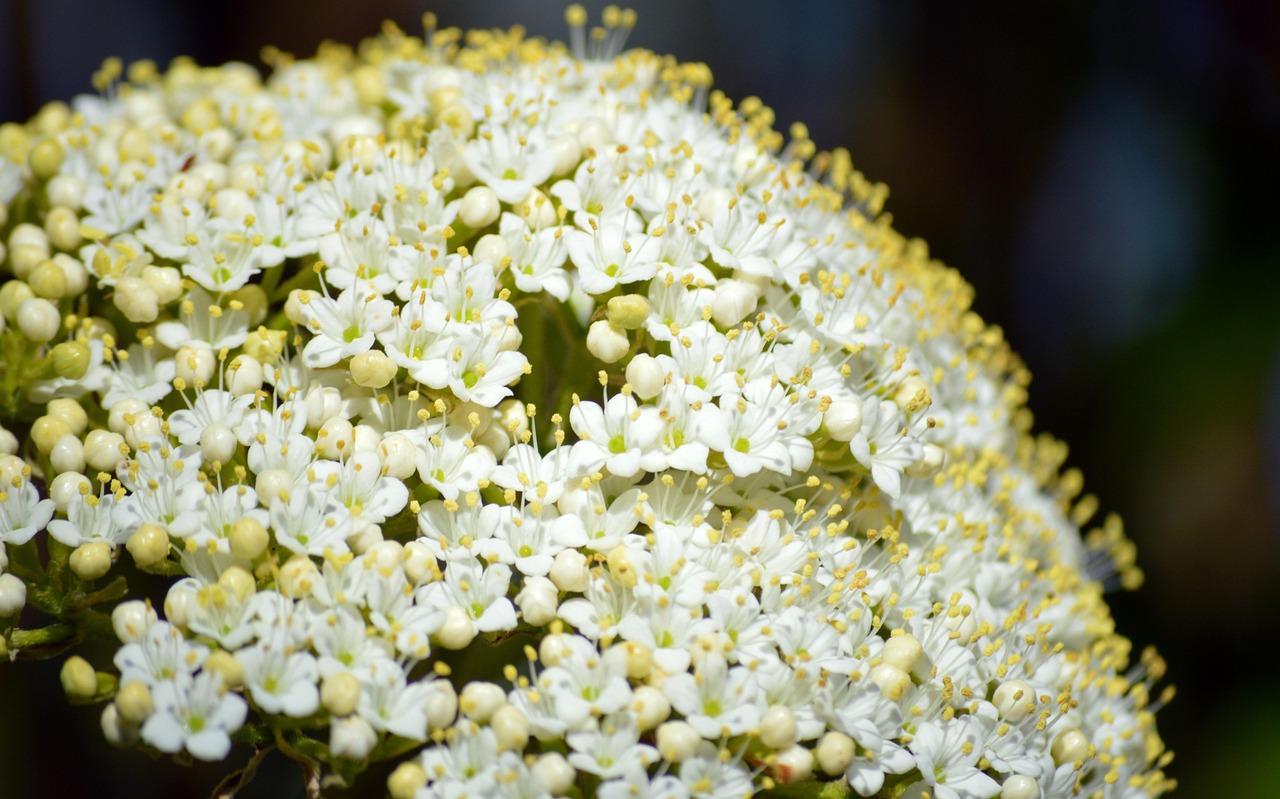
Different destinations have different allergens. For instance, coastal areas might have higher pollen counts, while urban environments could be filled with pollutants. Food allergies are another concern, as local cuisines often include ingredients that might not be common in your home country. It’s essential to research the specific allergens prevalent in your destination and take necessary precautions. This might include carrying an allergies prevention treatment guide or consulting with a healthcare professional before your trip.
Preparing for Your Trip
Preparation is key when traveling with allergies. Start by consulting your doctor to ensure you have the necessary medications and emergency treatments. Pack extra supplies, as some medications might not be readily available in your destination. It’s also a good idea to familiarize yourself with local healthcare facilities and pharmacies. Knowing where to go in case of an emergency can provide peace of mind and ensure prompt treatment if needed.
Packing the Right Supplies
When packing for your trip, make sure to include:
- Prescription medications
- Antihistamines
- EpiPens or other emergency treatments
- Allergy-friendly snacks
- Air purifiers or filters
Having these supplies on hand can help you manage your allergies effectively and enjoy your travels without constant worry.
Choosing Allergy-Friendly Destinations
Not all destinations are created equal when it comes to allergies. Some places are known for their clean air and low pollen counts, making them ideal for travelers with respiratory issues. For example, coastal cities often have lower pollen levels due to the constant breeze. On the other hand, cities with high pollution levels might be more challenging for those with asthma or other respiratory conditions. Researching your destination thoroughly can help you choose a location that aligns with your health needs.
Allergy-Friendly Activities
Engaging in activities that minimize exposure to allergens can enhance your travel experience. For instance, opting for indoor activities during peak pollen seasons or choosing destinations with clean, fresh air can make a significant difference. Water-based activities, such as swimming or boating, can also be beneficial as they reduce exposure to airborne allergens. Always plan your itinerary with your allergies in mind to ensure a safe and enjoyable trip.
Navigating Food Allergies Abroad
Food allergies can be particularly challenging when traveling, as local cuisines often include ingredients that might not be common in your home country. Researching local dishes and ingredients before your trip can help you avoid potential allergens. Learning a few key phrases in the local language to communicate your allergies can also be beneficial. Carrying an allergy translation card can be a lifesaver in situations where language barriers might pose a challenge.
Dining Out Safely
When dining out, always inform your server about your allergies. Ask about the ingredients in dishes and opt for simple, allergy-friendly options. Carrying your own snacks can also provide a safety net when dining out becomes challenging. Additionally, consider staying in accommodations with kitchen facilities, allowing you to prepare your own meals and have better control over the ingredients.
Managing Allergies During Travel
Managing allergies during travel requires vigilance and preparation. Keep your medications and emergency treatments easily accessible at all times. Monitor your symptoms closely and seek medical attention if necessary. Staying hydrated and maintaining a healthy diet can also help bolster your immune system and reduce the severity of allergy symptoms. By taking proactive steps, you can enjoy your travels without the constant worry of allergy flare-ups.
Emergency Preparedness
Being prepared for emergencies is crucial when traveling with allergies. Know the location of the nearest hospital or medical facility in your destination. Carry a list of emergency contacts, including your doctor’s information and local emergency numbers. Having a plan in place can provide peace of mind and ensure prompt treatment if needed.
As you plan your next adventure, don’t miss the heartwarming story of Dundee’s inspiring community spirit, showcasing the city’s resilience and warmth that makes it a must-visit destination.
To ensure your travel brand stands out in the competitive tourism industry, explore our guide on branding strategies for success and learn how to captivate adventurers and wanderlust-filled travelers alike.
As you embark on your next adventure, consider the impact of your travel choices on both the environment and your well-being; discover how electric vehicles affect health in our latest feature.