My First Encounter with a Tourist Trap
It was 2003. I was in Rome, fresh off the plane, wide-eyed and stupid. My friend Marcus (let’s call him Marcus because I don’t remember his real name) insisted we go to this “amazing” pizza place. “It’s where all the tourists go,” he said. Which… yeah. Fair enough.
I should’ve known. The line was out the door. The menu had pictures. The waiter looked like he’d rather be anywhere else. And the pizza? Let’s just say I’ve had better at a gas station in Ohio. Honestly, I was so disappointed I couldn’t even finish my slice. But Marcus? He was stuffing his face like it was the best thing he’d ever tasted. I mean, come on.
That was my first lesson: just because everyone’s doing it doesn’t mean you should.
What Even Is a Tourist Trap?
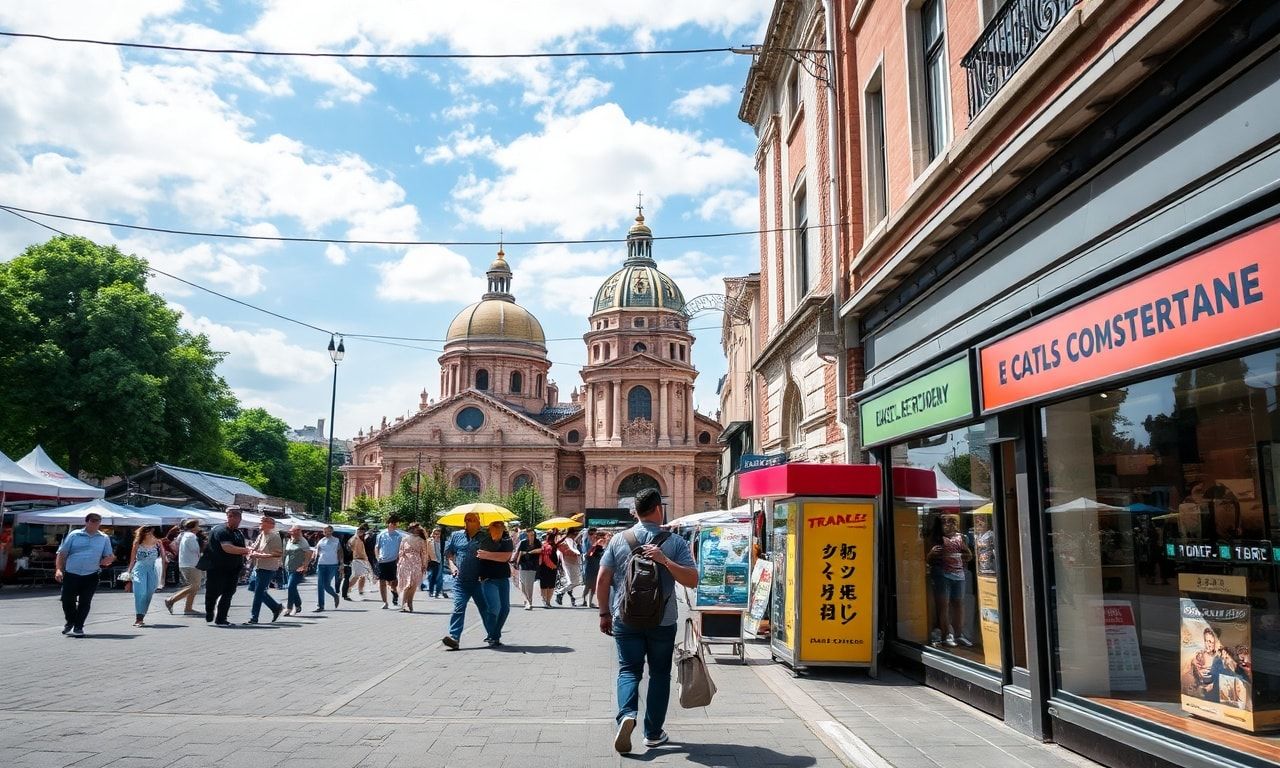
Look, I get it. When you’re in a new place, it’s easy to fall into the trap of doing what everyone else is doing. You see a line, you think, “Oh, it must be good.” But often, it’s just a bunch of people following each other off a cliff. A tourist trap is any place or activity that preys on visitors’ lack of local knowledge to overcharge them for a subpar experience.
And it’s not just restaurants. It’s shops, tours, attractions—anything that’s been built up as a “must-see” but is actually a complete waste of time and money. I’m talking about those overpriced souvenir shops, the overcrowded museums with more hype than substance, and the so-called “local” experiences that feel anything but.
How to Spot a Tourist Trap
So, how do you avoid these pitfalls? First, do your research. And I don’t mean just reading the top five results on Google. Talk to locals. Hit up forums. Check out blogs. And for the love of all that’s holy, stay away from anything that has a giant sign in five different languages.
Another red flag? If the only people around are holding cameras and wearing fanny packs, you’re probably in a tourist trap. Real locals don’t usually hang out there. And if the prices are suspiciously high compared to the rest of the area, run. Just run.
I once made the mistake of going to a “famous” nightclub in Istanbul. The cover charge was $87, and the drinks were $25 each. I lasted 20 minutes before I realized I was the oldest person there by at least a decade, and everyone was speaking English with a strong American accent. I mean, really? I could’ve had a much better time at a local bar for a fraction of the price.
Speaking of local experiences, if you’re looking to immerse yourself in the culture, check out community events local activities. It’s a great way to connect with the community and avoid the touristy stuff.
A Tangent: The Time I Got Scammed
Oh, and let’s talk about scams. They’re everywhere. I was in Barcelona once, and this guy came up to me, all friendly-like, and said, “Hey, you look like you need a good time. I know a place.” I should’ve known better, but I was young and stupid. Next thing I know, I’m in some back-alley bar, getting charged $30 for a beer that tasted like it came from a tap in a gas station bathroom.
Lesson learned: if a stranger is trying too hard to befriend you, they probably want something. And it’s not your friendship.
But Not All Tourist Spots Are Bad
Now, I’m not saying every popular spot is a tourist trap. Some places are famous for a reason. The Eiffel Tower? Worth it. The Colosseum? Absolutely. But even these places can be overwhelming if you don’t plan ahead. Go early, go late, or go with a local who can show you the ropes.
I remember visiting the Great Wall of China with a friend named Dave. We went at sunrise, and it was magical. No crowds, just the wall stretching out in front of us, bathed in golden light. It was one of those moments that made me remember why I love to travel.
But even then, we had to deal with vendors trying to sell us overpriced bottled water and knockoff souvenirs. It’s like they’re everywhere, you know?
Final Thoughts (Or Lack Thereof)
So, what’s the takeaway? Do your research, talk to locals, and trust your gut. If something feels off, it probably is. And don’t be afraid to skip the “must-see” attractions if they don’t feel right. Sometimes the best experiences are the ones you stumble upon by accident.
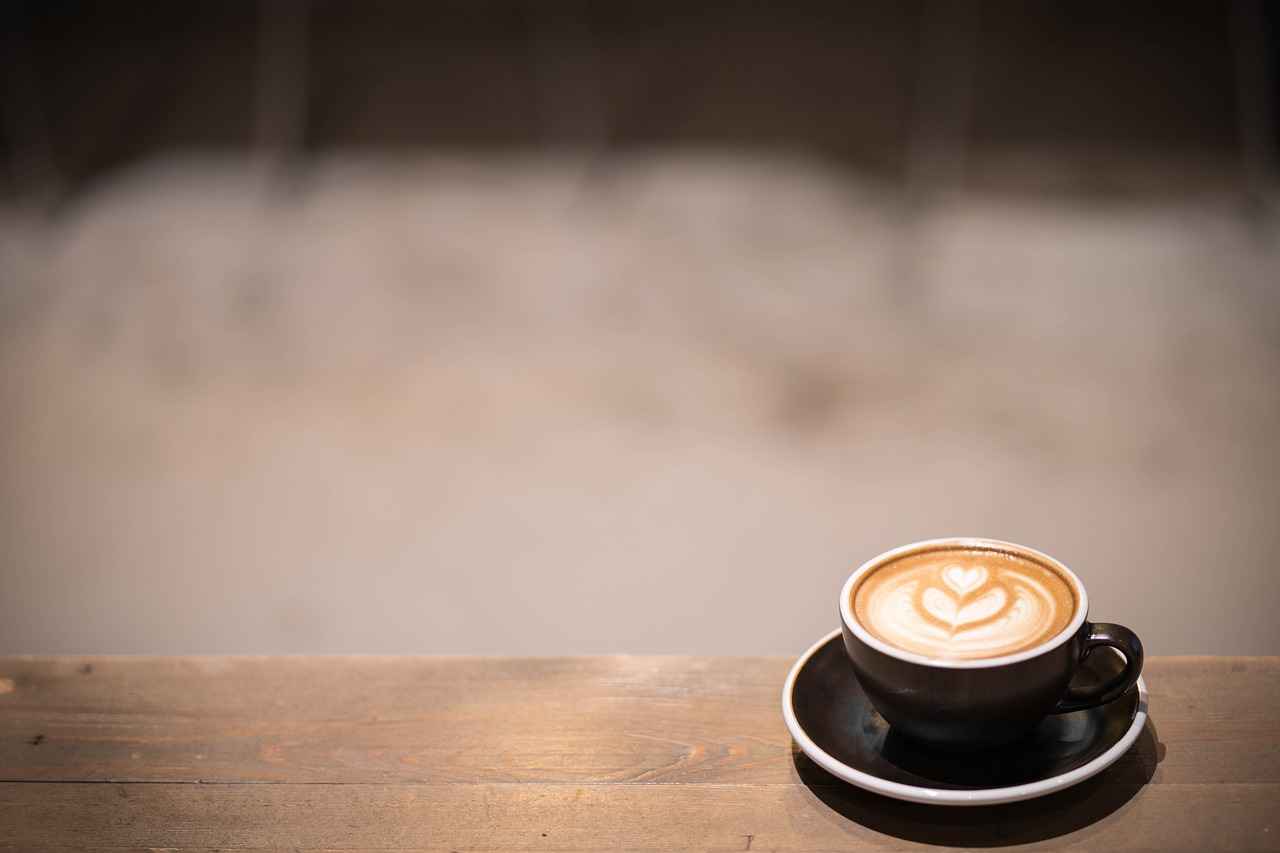
Anyway, I’m off to find a non-touristy coffee shop. Wish me luck.
About the Author: Sarah Johnson is a travel writer with a love for off-the-beaten-path adventures and a deep-seated hatred for tourist traps. When she’s not exploring the world, she’s probably complaining about the lack of good coffee in her hometown.