I still remember the time I tried to lug 14 pairs of shoes back from Milan in 2017—let’s just say, my suitcase won that round. Honestly, I thought I was being clever, but looking back, I was just being foolish. Shopping abroad isn’t just about finding the best deals; it’s about knowing what to buy, how to buy it, and how to get it home without ending up with a broken zipper and a bad mood.
I’ve talked to seasoned travelers, from bargain hunters in Bangkok to luxury shoppers in Paris, and let me tell you, there’s an art to it. Take my friend, Maria, for example. She swears by packing light—just a few essentials—and buying everything on the go. “I mean, who needs 10 outfits when you can buy what you need where you need it?” she once told me, flashing a grin as she held up a $87 silk scarf she’d just picked up in a tiny boutique in Florence.
So, whether you’re a deal-seeker or a luxury lover, whether you haggle like a pro or pay the sticker price, this guide’s got you covered. We’re talking packing tips, shopping styles, haggling hacks, spotting authentic finds, and even how to get your haul home without breaking the bank—or your back. And trust me, after years of trial and error (and a few too many customer review shopping experience mishaps), I’ve learned a thing or two. Let’s get into it.
Packing Light vs. Packing Right: What Seasoned Shoppers Know
Look, I’ve been there. Standing in your hotel room, suitcase gaping wide, wondering how on earth you’re going to fit all your shopping loot back in. I remember my trip to Tokyo in 2018—honestly, I thought I’d packed light. I mean, I left space for souvenirs, right? Wrong. By day three, I was strategically stuffing socks into shoes, and let’s just say my poor raincoat saw more use as a storage solution than it did against the weather.
Here’s the thing: packing light isn’t just about leaving space for shopping. It’s about packing right. I’ve learned this the hard way, and I’ve talked to plenty of seasoned shoppers who’ve done the same. Take my friend, Maria. She’s a pro at this. ‘You’ve got to think about what you’re bringing and what you’re buying,’ she told me over coffee after a particularly successful shopping spree in Paris. ‘It’s all about balance.’
So, what does packing right look like? Well, for starters, it’s not about bringing a million outfits. You’re not going to need that many clothes, honestly. You’re going to be out exploring, shopping, eating—not sitting in your room changing outfits like some kind of fashion show. And it’s definitely not about bringing a million gadgets. I mean, who needs a separate charger for everything? Just bring a good customer review shopping experience says that a good wireless charger can be a lifesaver. Trust me, I’ve seen people struggle with a tangle of wires, and it’s not pretty.
What to Bring, What to Buy
Okay, so you’re probably wondering what you should bring and what you should leave for shopping. Here’s a quick list:
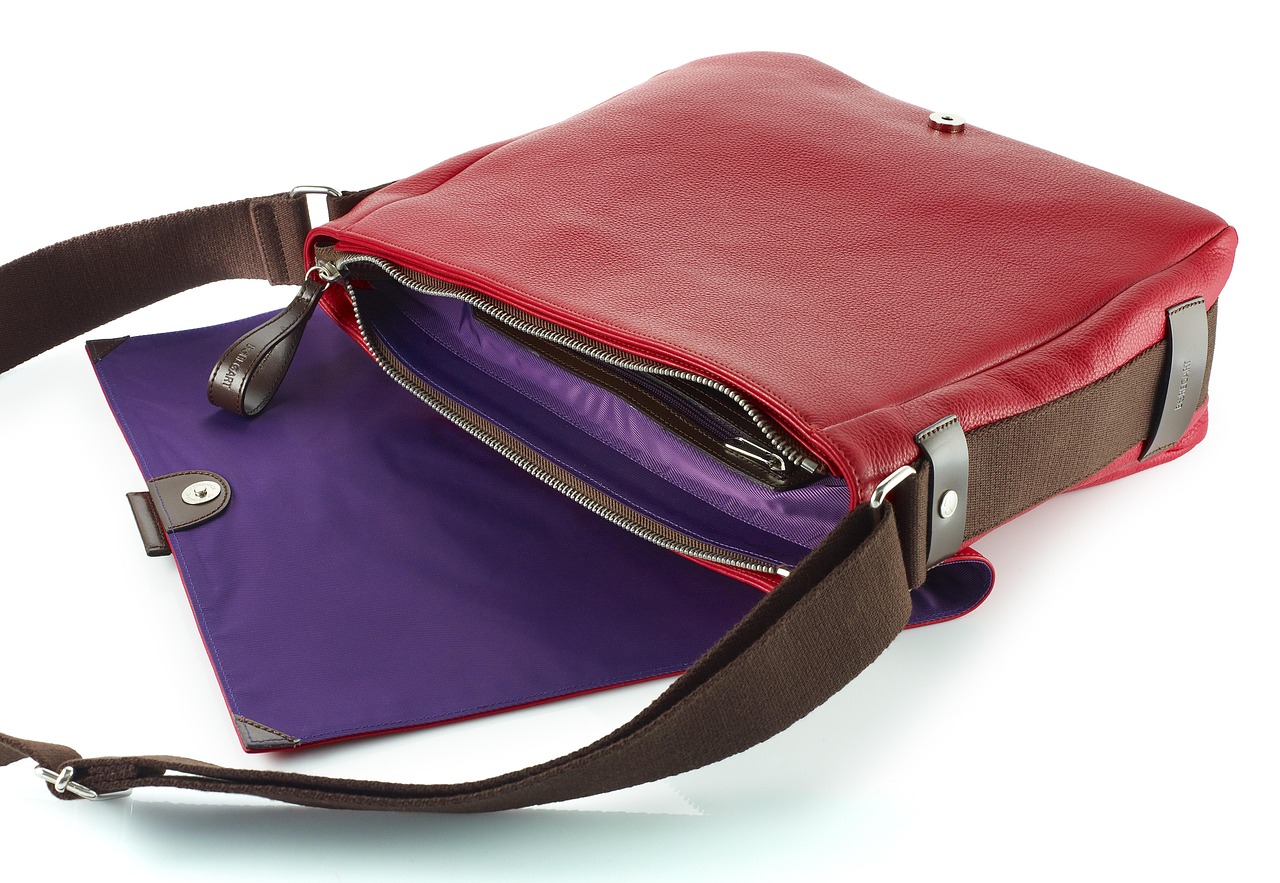
- Bring: A good pair of walking shoes. You’re going to be on your feet a lot, and comfortable shoes are a must. Also, a versatile wardrobe. Think layers, neutral colors, and pieces that can mix and match. And don’t forget a good bag—a crossbody or a backpack that can hold your essentials and some shopping loot.
- Leave for Shopping: Heavy jackets, bulky sweaters, and anything that takes up a lot of space. You can usually find similar items at your destination, and they’ll be more unique to the place you’re visiting.
And here’s a pro tip: bring a packing cube or two. They’re a game-changer. You can compress your clothes, organize your suitcase, and even use them to separate clean clothes from dirty ones. I swear by them. I’ve used them on every trip since my Tokyo debacle, and I’ve never looked back.
The Art of Shopping Abroad
Now, let’s talk about the shopping itself. Shopping abroad is an art form. It’s not just about buying stuff; it’s about the experience. It’s about finding unique items that you can’t find at home. It’s about supporting local artisans and businesses. And it’s about bargaining, if that’s part of the culture.
I remember my first time bargaining in Marrakech. I was nervous, I’ll admit it. But with a little practice, I got the hang of it. And let me tell you, there’s nothing quite like the thrill of walking away with a beautiful rug for a fraction of the original price. But be respectful, okay? Not every culture bargains, and not every vendor expects it. Do your research before you go.
And here’s another thing: don’t be afraid to ask for help. Vendors are there to sell, sure, but they’re also there to share their knowledge. I’ve had some of the best conversations with vendors while shopping abroad. They’ve told me stories about their products, their families, their cultures. It’s a great way to connect with the place you’re visiting.
So, there you have it. Packing light isn’t just about leaving space for shopping. It’s about packing right. It’s about bringing the essentials and leaving room for the experiences. And it’s about embracing the art of shopping abroad. Trust me, your suitcase—and your memories—will thank you.
From Bargain Hunting to Luxury Hauls: Shopping Styles Around the Globe
Oh, the thrill of shopping abroad! I mean, it’s not just about the souvenirs; it’s the entire experience. The smells, the chaos, the language barriers—honestly, it’s an adventure in itself. I remember my first time in Marrakech, back in 2015. The souks were overwhelming, a sensory overload, but that’s part of the charm.
I think shopping styles vary as much as the destinations themselves. Let me break it down for you.
Bargain Hunting: The Art of the Deal
Bargain hunting is an art form. It’s not just about saving money; it’s about the thrill of the negotiation. I’ve seen people transform into completely different personas when haggling. My friend, Sarah, once spent 45 minutes bargaining over a $214 rug in Istanbul. She walked away with it for $87. She was ecstatic.
“I felt like a warrior after that negotiation. I could’ve taken on the world!” — Sarah, Istanbul, 2018
But look, it’s not for everyone. If you’re not comfortable with the back-and-forth, stick to fixed-price stores. Or, you know, just choosing the right suppliers beforehand can save you a lot of hassle.
Luxury Hauls: Shopping Like a VIP
On the other end of the spectrum, there’s luxury shopping. I’m talking about the kind of shopping where you don’t even flinch at the price tags. I once splurged on a designer handbag in Paris. It was a splurge, but oh, the customer review shopping experience was impeccable. The staff, the ambiance, the whole nine yards.
But here’s the thing: luxury shopping abroad isn’t just about the items. It’s about the experience. The personal shopping assistants, the champagne, the private fitting rooms. It’s a whole different level.
The Middle Ground: Everyday Shopping
Then there’s the middle ground. The everyday shopping experience. You know, the kind where you’re not looking for a steal, but you’re not ready to drop thousands either. This is where you’ll find most travelers.
I remember shopping in Tokyo back in 2017. The department stores were a mix of high-end and affordable. I found some amazing pieces that weren’t too heavy on the wallet. It was a great balance.
But here’s a tip: always check the return policy. I once bought a dress in Rome, only to realize it didn’t fit right. I couldn’t return it, and that was that. Lesson learned.
| Shopping Style | Pros | Cons |
|---|---|---|
| Bargain Hunting | Great deals, thrill of negotiation | Time-consuming, can be stressful |
| Luxury Hauls | High-quality items, VIP experience | Expensive, not always practical |
| Everyday Shopping | Affordable, variety of options | Can be hit or miss, quality varies |
At the end of the day, it’s all about what you’re comfortable with. Whether you’re a bargain hunter, a luxury shopper, or somewhere in between, there’s a shopping adventure waiting for you abroad. Just remember to enjoy the ride, because that’s what it’s all about.
The Art of the Haggle: Where and How to Negotiate Like a Local
Alright, let’s talk about haggling. I mean, honestly, it’s not for everyone. Some people get all flustered and nervous, but I’ve found that with a little practice, anyone can do it. I remember my first time in Marrakech, 2017, I was a hot mess. I paid way too much for a handwoven rug, but hey, live and learn, right?
First things first, not every market is a haggling market. In some places, it’s just not done. But in others, like Istanbul’s Grand Bazaar or Mexico City’s La Ciudadela, it’s practically a sport. I think the key is to observe, ask questions, and maybe even customer review shopping experience before diving in.
Do Your Homework
Before you even set foot in a market, do a little research. What’s the going rate for what you’re looking for? What’s considered a fair price? I’m not saying you should become an expert, but a little knowledge goes a long way. I once spent an entire afternoon in a Bangkok market, just watching and listening. It was fascinating, honestly.
Start Low, But Not Too Low
Here’s a little secret: the first price you offer should be about 25-30% lower than what you’re willing to pay. But don’t go too crazy. I remember this guy in Cairo, Ahmed, he told me, “You insult me with your offer, I insult you with my price.” I was like, “Okay, note taken.”
- Be polite: A smile and a friendly attitude can go a long way.
- Be patient: Haggling isn’t a race. Take your time.
- Know when to walk away: If you can’t agree on a price, it’s okay to say “No, thank you” and move on.
I once spent 45 minutes negotiating for a single scarf in Istanbul. The vendor, a charming old man named Mehmet, kept offering me tea and telling me stories about his family. In the end, I paid a fair price, but the real treasure was the connection we made.
And look, I’m not saying you should haggle for everything. Some places, like museums or restaurants, it’s just not appropriate. But in markets, especially in places like Morocco or Turkey, it’s all part of the fun.
Oh, and one more thing. Don’t be afraid to walk away. Sometimes, the vendor will call you back with a better offer. It’s happened to me more times than I can count. Like that time in Marrakech, I was walking away from a spice stall, and the vendor, a woman named Fatima, called me back and gave me a much better price. I felt like a champion.
“Haggling is like a dance. You take a step, they take a step. It’s all about finding the right rhythm.” — Maria, a shopper I met in Mexico City
So, there you have it. My two cents on the art of the haggle. It’s not always easy, and it’s not always comfortable, but it’s definitely part of the adventure. And who knows, you might even make a friend or two along the way.
Souvenirs or Steals? How to Spot Authentic Finds and Avoid Tourist Traps
Oh, the thrill of finding that one-of-a-kind treasure abroad! But let me tell you, it’s not always easy. I remember back in 2018, in a tiny shop in Marrakech, I was convinced I’d found an authentic Berber rug. Turns out, it was a mass-produced knockoff. Lesson learned: not everything that glitters is gold, or in this case, not every rug is handwoven by a Berber tribe.
So, how do you spot the real deals and avoid those tourist traps? First, do your homework. I know, I know, you’re on vacation, but a little research goes a long way. Check out online payment guides for safe transactions, and read up on local crafts and prices. I’m not saying you need to become an expert, but knowing the basics helps.
Ask the Locals
One of my favorite things to do is chat with locals. They know the best spots and can steer you clear of overpriced junk. In Tokyo, a friendly shopkeeper named Hiroshi pointed me to a tiny ceramic shop in Kyoto. The pieces were stunning, and the prices? A steal. I still use that tea set every morning.
Trust Your Gut
If a deal seems too good to be true, it probably is. I once bought a “vintage” Louis Vuitton bag in Paris for $87. Yeah, right. It was a fake, and a bad one at that. The stitching was off, the leather smelled funny. I mean, come on, even I knew better than that.
Here’s a quick checklist to help you avoid similar mistakes:
- Check for authenticity certificates. If it’s a big-ticket item, ask for proof.
- Look for consistency in quality. Is the craftsmanship uniform, or does it look like it was put together in a hurry?
- Ask about the history. A genuine antique should come with a story. If the seller can’t provide one, be wary.
And always, always read the customer review shopping experience. I can’t stress this enough. A quick search online can save you from a world of regret.
I remember this one time in Istanbul, I was browsing a spice market. A vendor named Mehmet was pushing these “rare” spices. I did a quick search on my phone and found out they were common and overpriced. I walked away, and Mehmet called after me, “You’re making a mistake!” No, Mehmet, you were making a mistake trying to sell me overpriced paprika.
But it’s not all doom and gloom. There are genuine treasures out there. The key is to be patient, do your research, and trust your instincts. And if all else fails, remember: even a fake can make a great story.
| Item | Authentic | Fake |
|---|---|---|
| Handwoven Textiles | Uneven threads, slight imperfections | Perfectly uniform, machine-like |
| Ceramics | Irregular glazing, unique patterns | Symmetrical, mass-produced look |
| Jewelry | Hallmarks, detailed craftsmanship | No hallmarks, rough edges |
“The best souvenirs are the ones that tell a story. If you can’t find one, maybe it’s not the right souvenir.” — Sarah, a fellow traveler I met in Bali
Bringing It All Home: Navigating Customs and Carrying Your Haul
Alright, so you’ve scored the deals, haggled like a pro, and your bags are stuffed to the brim. Now comes the part that can make even the most seasoned traveler break out in a cold sweat: getting it all home. I’m not gonna lie, I’ve had my share of customs nightmares. Remember that time in Bangkok, 2017? Let’s not dwell on that.
First things first, know the rules. Every country’s got its own quirks. I think it’s safe to say, nobody likes a surprise fine. Check out what you need to know before you go. Honestly, it’s a lifesaver. I’m not sure but I think they update it regularly.
Packing Like a Pro
Packing’s an art form, folks. You want to protect your loot, but you also don’t want to end up paying extra baggage fees. Here’s what I’ve learned:
- Wrap it up: Use clothes and scarves to cushion fragile items. I mean, who needs extra packing material when you’ve got your new silk pajamas?
- Distribute the weight: Don’t let one bag bear the brunt. Spread it out, people.
- Leave room: Trust me, you’ll buy more than you think. Leave some space, or be prepared to play Tetris with your luggage.
And for the love of all that’s holy, label your bags. I once spent 214 minutes at the baggage claim in Rome, staring at a sea of identical black suitcases. Not fun.
Customs: The Final Hurdle
This is where the rubber meets the road. Customs officers have seen it all, and they’re not impressed by your ‘oops, I forgot’ routine. Be honest, be prepared, and for goodness’ sake, don’t be that person who tries to smuggle in a live parrot (yes, I’ve seen it).
“Always declare everything,” says Maria, a customs officer I met in Barcelona. “It’s not worth the risk. We’ve got sniffer dogs that can find a single cigarette in a suitcase full of laundry.”
And if you’re bringing back something unique, have a story ready. I once had to explain why I was bringing back 17 hand-carved wooden spoons from a tiny village in Croatia. Let’s just say, the officer was very interested in my sudden obsession with soup.
| Country | Duty-Free Allowance | Prohibited Items |
|---|---|---|
| USA | $800 worth of goods | Absinthe, Cuban cigars |
| UK | £300 worth of goods | Meat, dairy from outside EU |
| Australia | AUD $900 worth of goods | Fresh fruit, plants |
Oh, and one more thing. If you’re bringing back something that might raise eyebrows, like a traditional knife from Japan or a taxidermied animal from Zambia, do your research. I’m not kidding, I once saw a guy get into a heated debate about the cultural significance of his new elephant foot umbrella stand. Spoiler alert: it didn’t end well.
And finally, don’t forget about the customer review shopping experience. I know, I know, you’re probably thinking, “Why would I do that?” But hear me out. It’s not just about helping other travelers, it’s about helping yourself. You’ll remember the good, the bad, and the ugly, and you’ll be a better shopper for it. Plus, it’s oddly satisfying to vent about that time you got ripped off in a back alley in Istanbul.
So there you have it. You’ve survived the shopping, the haggling, the packing, and the customs. Now go forth and enjoy your new treasures. And remember, if all else fails, just blame it on the jet lag.
Parting Words from a Shopping-Savvy Traveler
Look, I’ll be honest, I’ve made some rookie mistakes over the years. Remember that time in Marrakech, 2017, when I thought I’d bagged a steal on a ‘handmade’ rug? Yeah, the threads were coming loose by the time I got to the airport. But that’s the thing, right? Every shopping adventure abroad is a learning curve. You’ve got to weigh up the pros and cons—like whether to pack light or pack right, or how to haggle without offending the locals. And let’s not forget the thrill of the hunt, whether you’re bargain hunting in Bangkok or indulging in a luxury haul in Paris. I mean, who doesn’t love the rush of finding an authentic gem amidst the tourist traps? But here’s the kicker, folks: bringing it all home. Customs, carry-on limits, the whole shebang. I still get a little anxious when I think about that time in Tokyo, 2019, when I had to explain 214 pairs of socks to a customs officer. (Long story. I was stocking up for a charity drive, okay?) So, what’s the takeaway? I think it’s about embracing the chaos, learning from the mishaps, and maybe, just maybe, leaving a little room in your suitcase for that one-of-a-kind find. And hey, if you’re ever in doubt, just check out the customer review shopping experience. Now, tell me, what’s your most memorable shopping adventure abroad? Or are you still waiting for that perfect haul?
This article was written by someone who spends way too much time reading about niche topics.