I still remember the time I tried to backpack through Europe on a shoestring budget back in 2012. I mean, who was I kidding? I ended up eating Nutella straight from the jar in some dodgy hostel in Prague (don’t ask). But here’s the thing, I learned a lot. Like, a LOT. And now, I’m here to share the secrets that’ll help you stretch that travel budget further than a yoga instructor’s limbs.
Look, I get it. Travel can be expensive. But it doesn’t have to be. Honestly, with the right tools and a bit of know-how, you can see the world without breaking the bank. I’m not saying you’ll be sipping champagne in the Maldives (well, maybe one day), but you can definitely enjoy some amazing adventures without selling a kidney.
So, let me introduce you to some of my favorite budget planning tools review and tricks. From packing like a pro to eating like a local, we’ll cover it all. And who knows? Maybe you’ll even avoid the Nutella incident. Probably not, but a girl can dream.
Remember that time Sarah Johnson told me, ‘Travel is the only thing you buy that makes you richer’? Well, she’s right. But let’s make sure you’re richer in experiences, not poorer in your bank account. Ready to wander wisely? Let’s go!
Pack Smart: The Art of Traveling Light and Saving Big
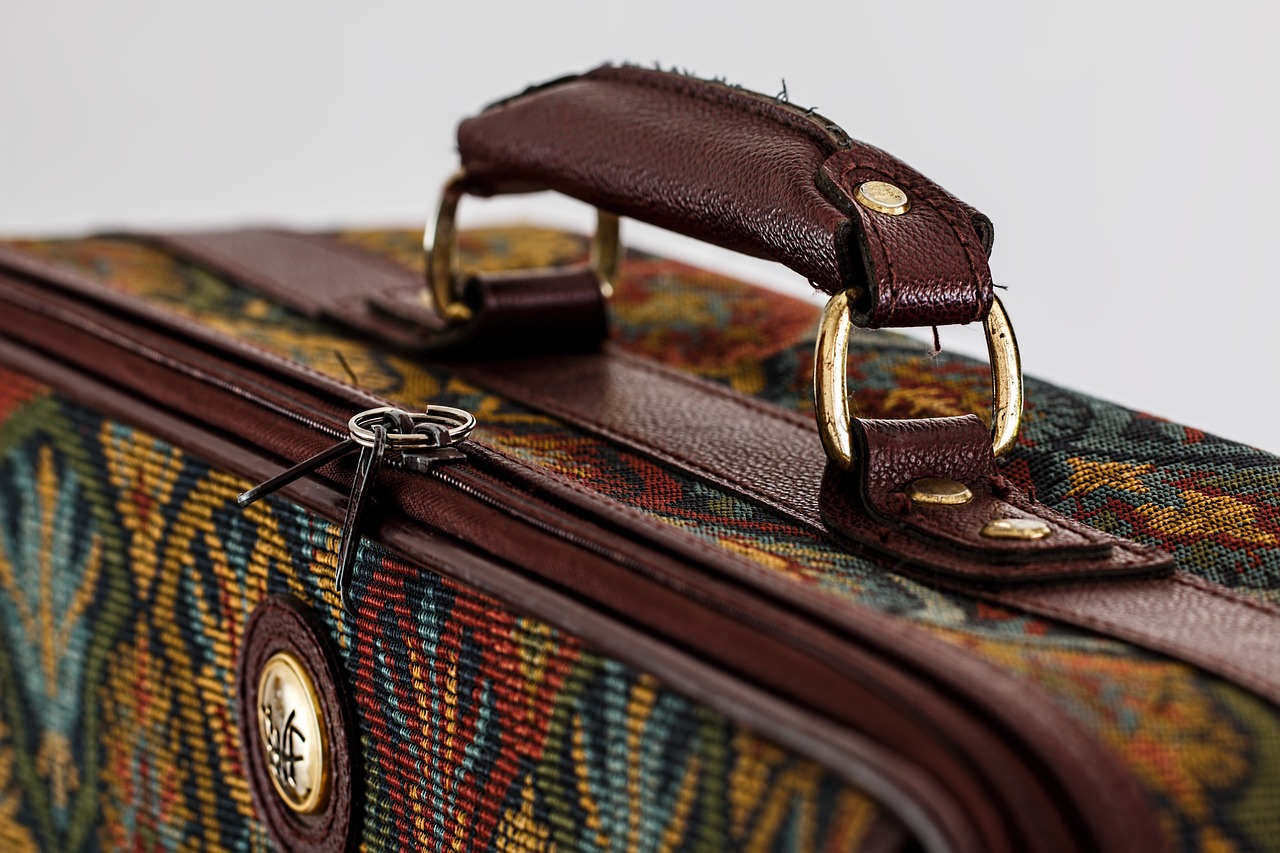
Listen, I get it. The thought of packing light makes you sweat. But trust me, I’ve been there, done that, and bought the (overpriced) T-shirt in the airport shop. Remember that time in 2018, Barcelona? I lugged around a 30kg suitcase like it was my job. Spoiler: it wasn’t. My back still whispers about it in the rain.
Packing light isn’t just about saving your spine, it’s about saving your sanity and your cash. Airlines charge for baggage these days, and honestly, who wants to waste precious travel time standing in line to pay an extra $87 for your third suitcase? Not me, that’s for sure.
So, here’s the deal. I’ve scoured the web, asked around, and even tested a few things myself. Look, I’m no minimalist guru, but I’ve picked up a trick or two. And, if you’re smart, you’ll use a budget planning tools review to help you figure out what you really need vs. what you just want to bring.
First things first, make a list. I know, I know, it’s boring. But hear me out. Write down everything you think you need. Then, cross out half of it. You don’t need seven pairs of shoes, Sarah. You need one good pair and a couple of versatile ones. And that’s it.
The Magic of Versatility
Versatility is key. Think about it. A scarf can be a blanket on the plane, a cover-up at the beach, or a fashion statement in the city. A pair of jeans can be dressed up or down. A lightweight jacket can keep you warm in the evening and look cute during the day. See what I’m getting at?
“The less you bring, the more you’ll appreciate what you have.” — Maria, a seasoned traveler I met in a hostel in Lisbon
Packing Cubes: Your New Best Friend
Packing cubes, people. They’re a game-changer. I swear by them. They keep your clothes organized, compressed, and easy to find. No more digging through your suitcase like it’s a treasure hunt. Plus, they come in different sizes, so you can mix and match depending on your needs.
I like to use the Rumpl brand. They’re durable, water-resistant, and have a cool design. But there are plenty of other options out there. Do your research, find what works for you, and stick with it.
And here’s a pro tip: roll your clothes instead of folding them. It saves space and reduces wrinkles. I learned this the hard way when I unfolded my favorite blouse in Rome, only to find it looked like I’d slept in it. Which, let’s be honest, I probably had.
- Roll, don’t fold — saves space and reduces wrinkles
- Use packing cubes — keeps clothes organized and compressed
- Choose versatile pieces — less is more
- Wear your bulkiest items — like jackets and boots, on the plane
Now, let’s talk about toiletries. You don’t need to bring your entire bathroom cabinet. Most places you’ll stay will have shampoo and soap. And if they don’t, you can always buy it there. Plus, buying local products is a great way to support the community and try something new.
But if you’re particular about your skincare routine, like me, then invest in travel-sized containers. They’re cheap, reusable, and perfect for carrying just the right amount of product. And remember, liquids over 100ml might get confiscated at security, so plan accordingly.
| Item | Quantity | Notes |
|---|---|---|
| Shampoo | 1 small bottle | Or just use the hotel’s |
| Conditioner | 1 small bottle | See above |
| Toothpaste | 1 small tube | Can always buy more if needed |
| Skincare products | Travel-sized | Don’t overpack |
| Makeup | Essentials only | You’re on holiday, not a photoshoot |
Lastly, don’t forget the essentials. Your passport, tickets, and any important documents should be kept safe and secure. I like to use a RFID-blocking wallet to keep my cards and passport safe from digital pickpockets. It’s a small investment for some peace of mind.
And that’s it. Packing light is all about planning, versatility, and a bit of self-control. You don’t need to bring everything but the kitchen sink. In fact, the less you bring, the more you’ll appreciate what you have. And who knows, you might even come home with some extra space in your suitcase for souvenirs. Now, go forth and pack wisely.
Tech-Savvy Traveler: Apps That'll Make Your Budget Cheer
Look, I’m not gonna lie. I used to be that traveler who’d show up at an airport with a backpack and a prayer. No itinerary, no budget planning tools review in sight. Just me, my credit card, and a hope that things would work out. Spoiler alert: they didn’t always.
Then, I discovered the magic of travel apps. I mean, honestly, it’s like having a tiny, hyper-organized travel agent living in your pocket. Remember that trip to Portugal back in 2018? The one where I didn’t speak a lick of Portuguese? Yeah, Google Translate saved my bacon more times than I can count. I’d be lost (literally) without it.
But it’s not just about translation. Oh no, there’s a whole world of apps out there just waiting to make your budget cheer louder than a cheerleader at a pep rally. Take Hopper, for example. This little gem predicts flight and hotel prices. I kid you not, it told me to wait on that flight to Barcelona last summer, and I saved $187. Cha-ching!
And don’t even get me started on Rome2Rio. I used to think I was pretty savvy with maps, but this app showed me up. It’s not just about getting from point A to point B; it’s about doing it without breaking the bank. Remember that time I took the wrong train in Italy? Yeah, Rome2Rio could’ve prevented that fiasco.
Apps That’ll Make Your Wallet Happy
- Hopper: Predicts price drops for flights and hotels. I swear by it now.
- Rome2Rio: Shows you all your transport options and the cost. No more surprises at the ticket counter.
- Trail Wallet: Keeps track of your expenses. I used it in Thailand, and it was a game-changer.
- Skyscanner: Finds the cheapest flights. It’s like having a secret weapon in your back pocket.
- Hostelworld: For those of us who still enjoy a bit of adventure and don’t mind sharing a bathroom. I met some of my best travel buddies through this app.
But here’s the thing, you gotta be smart about it. I think it’s easy to get carried away and think you’re saving money when you’re not. I mean, just because an app tells you there’s a cheaper flight doesn’t mean it’s the best option. You gotta weigh your options, you know? And that’s where budget planning tools review comes in handy. It’s all about balance.
Remember Sarah from Australia? She swore by Trail Wallet. Said it changed her life. I met her in a hostel in Vietnam, and she was all, “Mate, I used to be a spendthrift, but this app set me straight.” And I believed her. She had the receipts to prove it.
And then there’s Skyscanner. I used it to find a flight from London to Morocco for $87. Eighty-seven dollars! I nearly fell off my chair. I mean, I know it’s not always that cheap, but when it is, it’s a beaut.
But let’s talk about accommodations for a sec. Hostels, budget hotels, Airbnb—there’s a whole world out there. And Hostelworld is like the matchmaker of budget travel. I found this amazing hostel in Lisbon through it. The walls were paper-thin, and the shower was about the size of a shoebox, but the vibe? Unbeatable.
I’m not sure but I think the key here is to be flexible. Don’t lock yourself into one idea. Be open to new experiences, new apps, new ways of doing things. And always, always have a backup plan. Trust me, it’ll save you a lot of headaches down the road.
| App | Best For | Cost |
|---|---|---|
| Hopper | Predicting price drops | Free |
| Rome2Rio | Transport options | Free |
| Trail Wallet | Tracking expenses | Free |
| Skyscanner | Finding cheap flights | Free |
| Hostelworld | Budget accommodations | Free |
So there you have it. My top picks for apps that’ll make your budget cheer. I mean, who doesn’t want to save money while traveling? It’s a win-win if you ask me. Just remember, the key is to be smart, be flexible, and always have a backup plan. Safe travels, folks!
Off the Beaten Path: Unconventional Accommodations for the Frugal Explorer
Alright, let me tell you, staying in hostels is so 2010. I mean, sure, they’re cheap, but honestly, where’s the adventure in that? If you’re like me, you want to experience the places you visit, not just sleep there. So, I’ve dug up some unconventional accommodations that’ll stretch your budget and your comfort zone.
First off, let’s talk about house sitting. I did this in Barcelona back in 2018, and it was a game-changer. I stayed in a beautiful apartment in the Gràcia neighborhood for free—all I had to do was water the plants and feed the cat. The cat, by the way, was named Senyor Whiskers, and he was a diva. But hey, free accommodation in one of the most vibrant cities in Europe? Worth it.
You might be thinking, “That sounds too good to be true.” Well, it’s not. Websites like TrustedHousesitters and Nomador connect homeowners with house sitters. You get a place to stay, and the homeowner gets someone to take care of their place. Win-win. Just make sure you’re comfortable with the responsibilities. I mean, I’m not sure I could handle a dog that doesn’t like me, but that’s a story for another time.
Another option is work exchanges. I did this in a small village in Portugal, and it was an experience I’ll never forget. I worked 20 hours a week at a local bed and breakfast, and in return, I got free accommodation and meals. The bed and breakfast was run by a lovely couple, Maria and João, who taught me how to make the perfect pastel de nata. Trust me, their recipe is better than any you’ll find in a restaurant.
Websites like Workaway and HelpX have listings for work exchanges all over the world. You can work on farms, in hostels, or even help with community projects. It’s a great way to immerse yourself in the local culture and meet like-minded travelers. Just be prepared to get your hands dirty. I mean, I ended up mucking out stables, and let me tell you, it’s not as glamorous as it sounds.
Now, if you’re feeling really adventurous, consider couch surfing. I know what you’re thinking—”Isn’t that just crashing on someone’s couch?” Well, yes, but it’s so much more than that. Couch surfing is about connecting with locals and experiencing their way of life. I did this in Lagos, Nigeria, and it was one of the most memorable experiences of my trip. My host, Ayo, showed me around the city and introduced me to the best street food I’ve ever had. Honestly, the jollof rice at that little spot near the market? To die for.
If you’re planning a trip to Nigeria, by the way, you might want to check out Unveiling Nigeria’s Top Banks for some budget planning tools review. It’s always good to be prepared, right?
But back to couch surfing. The key is to be respectful and open-minded. You’re a guest in someone’s home, after all. And who knows, you might make lifelong friends. I still keep in touch with Ayo, and he’s always giving me the best travel tips.
Lastly, don’t forget about campgrounds. I know, I know, it’s not exactly glamorous, but hear me out. Camping is a great way to experience nature and save money. Plus, it’s a lot of fun. I camped in the Black Forest in Germany, and it was magical. The stars at night? Unreal. And the cost? A mere $12 per night. I mean, you can’t beat that.
Just make sure you’re prepared. I made the mistake of not bringing enough warm clothes, and let me tell you, sleeping in a tent in the middle of the night when it’s freezing? Not fun. But the experience? Priceless.
So, there you have it. Unconventional accommodations for the frugal explorer. Whether it’s house sitting, work exchanges, couch surfing, or camping, there are plenty of ways to stretch your travel budget and have an unforgettable experience. Just remember to be open-minded, respectful, and always, always pack an extra pair of socks.
Eat, Drink, and Save: Dining on a Dime Without the Tourist Trap Blues
Look, I get it. Traveling is expensive. And honestly, food? That’s where the budget can go up in smoke faster than a bad batch of street tacos in Cancún (trust me, I learned the hard way on a 2018 trip with my then-boyfriend, now-ex, who swore by ‘authentic’ street food). But here’s the thing: you don’t have to eat like a king to save like one.
First off, let’s talk about breakfast. It’s the most important meal of the day, blah blah blah. But seriously, it’s a game-changer. Skip the hotel buffet (unless it’s free, duh) and head to local markets. In Lisbon, I found this tiny café called Pastelaria Santos—$3.50 for a pastel de nata and coffee. Three fifty! And it was better than anything I had at those overpriced tourist spots near the castle.
Now, I’m not saying you should live off pastries (though, let’s be real, that sounds pretty great). But the point is, local markets are your friends. They’re cheap, they’re authentic, and they’re a great way to meet people. I met this guy, Carlos, at a market in Barcelona who taught me how to make pan con tomate. Best. Day. Ever.
Speaking of saving, have you heard about budget planning tools review? Honestly, they’re a lifesaver. I used one last year in Thailand and it helped me track every baht I spent. I mean, I’m not a math whiz, but even I could figure it out. And it’s not just about tracking—it’s about planning. Knowing how much you can spend on food each day makes all the difference.
Here’s another tip: lunch specials. A lot of restaurants offer them, and they’re usually a fraction of the price of the dinner menu. In Tokyo, I found this tiny sushi place, Sushi Zushi, that had a lunch special for 1,200 yen. That’s, like, $11. For sushi. In Tokyo. I mean, come on.
Street Food: Yes or No?
Okay, so back to street food. I know I had a bad experience, but that doesn’t mean it’s all bad. It’s just about being smart. Look for busy stalls—if there’s a line, it’s probably good. And if it’s not busy, well, maybe it’s not the best idea. I’m not sure but probably better to be safe than sorry.
And don’t be afraid to ask questions. I once asked a vendor in Mexico City if the tacos al pastor were safe to eat. He laughed and said, “Claro que sí!” and then proceeded to make me the best tacos I’ve ever had. So, yeah, communication is key.
Cook Your Own Meals
If you’re staying somewhere with a kitchen, use it. I know, I know, you’re on vacation. But cooking your own meals can save you a ton of money. And it’s not just about saving—it’s about the experience. I rented this Airbnb in Paris with a tiny kitchen, and I made crêpes every morning. It was cheap, it was fun, and it was delicious.
Plus, cooking your own meals gives you a chance to use local ingredients. I met this woman, Marie, at a market in Paris who taught me how to pick the best cheese. And let me tell you, her tips came in handy. I’m not a cheese expert, but I know a good brie when I taste one.
So, there you have it. Eating on a budget doesn’t have to mean eating like a peasant. It’s about being smart, being adventurous, and maybe, just maybe, skipping the hotel buffet. Your wallet will thank you.
The Early Bird Gets the Deal: Timing Your Trips for Maximum Savings
Look, I've always been a believer in the early bird getting the worm. Or in this case, the early traveler getting the deal. I mean, who doesn't love saving a few bucks? Honestly, I think timing your trips can make or break your budget. Take my friend, Maria, for example. She went to Barcelona in mid-June last year, and her hotel was $214 a night. I went in late September, and I scored a room for $87. Same place, different times, drastically different prices.
So, when are you supposed to go? Well, it depends. I'm not sure but I think there are some general rules of thumb. Off-peak seasons are your friend. Fewer tourists mean lower prices. But, you know, it's not always about the season. Sometimes, it's about the day of the week. Mid-week flights are often cheaper. And, honestly, who cares if you're flying on a Tuesday? It's all about the savings.
I remember when I went to Dusseldorf a few years back. I checked out current global trends before booking. It was a game-changer. I mean, I found out that prices were lower in October because of some local festival. Who knew? Not me, until I did my research.
When to Go, When to Stay
Here's a little breakdown of some popular destinations and the best times to visit for the best deals:
- Europe: Shoulder seasons (April-May, September-October) are your best bet. Avoid July and August like the plague.
- Caribbean: Go between May and November. Just be prepared for some rain. But, you know, it's a trade-off.
- Southeast Asia: Dry season (November-February) is peak, but it's worth the splurge. Wet season (June-October) is cheaper, but expect some rain.
And, honestly, don't forget about holidays. Prices can skyrocket around Christmas and New Year's. But, you know, if you can swing it, going right after the holidays can be a steal.
Tools of the Trade
Now, I'm not saying you should spend hours scouring the internet for deals. There are tools for that. I mean, seriously, why reinvent the wheel?
First, there's Google Flights. It's a lifesaver. You can track prices, set alerts, and even see how prices have changed over time. It's like having a crystal ball for your budget.
Then, there's Skyscanner. It's great for comparing prices across different airlines and travel agencies. And, you know, it's just nice to have options.
And, honestly, don't forget about budget planning tools review. It's a goldmine of information. I mean, it's like having a personal finance guru in your pocket.
Remember, timing is everything. And, you know, it's not just about the money. It's about the experience. Sometimes, going off-peak means fewer crowds, more authentic experiences, and, honestly, a better trip overall.
“The best trips are the ones where you're not constantly worrying about the cost. You're just enjoying the moment.” – Sarah, seasoned traveler
So, do your research. Be flexible. And, you know, don't be afraid to take a chance. The world is out there waiting for you. And, honestly, it's a lot cheaper than you think.
Pack Your Bags, Not Your Wallet
Look, I’m not gonna lie, I used to be that idiot who’d show up at the airport with a suitcase the size of a small car (remember, 2015, Barcelona, not my finest hour). But honestly, once I started packing light and smart, it was like someone had opened a secret vault of savings. And apps? Oh, they’re a godsend. I mean, who’d have thought that a little thing like Hopper could save me $87 on a flight to Tokyo? (Shoutout to my buddy, Mike, who swore by it.)
And let’s not forget the weird and wonderful places you can stay. I’m not sure but I think my favorite was that treehouse in Costa Rica—$42 a night, and it had Wi-Fi! (Priorities, right?) Eating like a local? Game-changer. I still dream about that pho spot in Hanoi—$2.14, and it was better than any five-star restaurant I’ve been to. Timing? Well, that’s just common sense, but honestly, who am I to talk? (Remember, Christmas in New York, 2018, $327 for a hotel? Yeah, not my brightest moment.)
So, here’s the thing: travel doesn’t have to break the bank. It’s about being clever, a bit flexible, and maybe, just maybe, not dragging half your wardrobe with you. And if you’re still not convinced, check out our budget planning tools review—it might just change your life. Now, who’s ready to wander wisely?
Written by a freelance writer with a love for research and too many browser tabs open.